Famous for One Thing, Remembered for Another: Six Americans Who Got the Last Laugh

Fame is a funny kind of cage. It tells the world what you are before you've had a chance to become something else. And for a certain type of person — restless, curious, not particularly interested in being what everyone expects — that cage is exactly the wrong place to put them.
These are six Americans who were famous for one thing, largely dismissed when they tried to do something else, and quietly changed the world anyway.
1. The Child Star Who Became America's Most Effective Diplomat
Shirley Temple Black is remembered today as the golden-curled phenomenon who dominated Depression-era Hollywood — the little girl who could tap dance her way through almost anything and reportedly kept a struggling studio afloat with sheer box-office force. What gets mentioned less often is what she did after the cameras stopped.
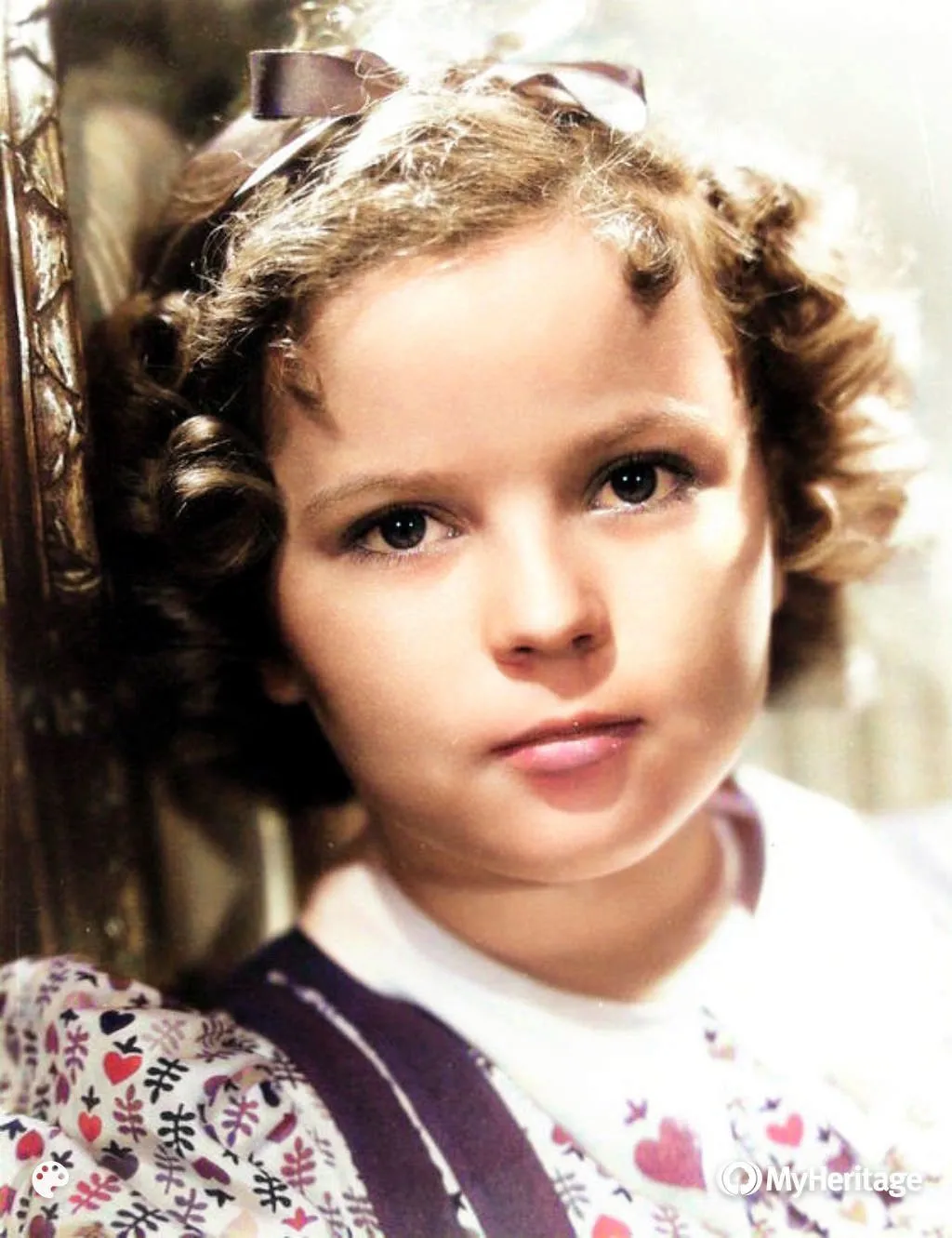 Photo: Shirley Temple Black, via i.pinimg.com
Black's adult acting career never matched her childhood fame, and the entertainment industry moved on from her with the casual cruelty it reserves for former prodigies. What she did instead was remarkable: she built a second career in international diplomacy that earned the respect of foreign policy professionals who had never seen a single one of her movies.
Appointed U.S. Ambassador to Ghana in 1974 and later to Czechoslovakia in 1989 — arriving just as the Velvet Revolution was unfolding — Black demonstrated a political instinct and a talent for relationship-building that surprised almost everyone who had expected her to be a ceremonial appointment. Her work in Czechoslovakia during that pivotal transition was later described by State Department veterans as substantive and skillfully navigated. The child star had become, quietly, a serious diplomat. Most people never updated the file.
2. The Game Show Host Who Rewired American Science Education
When Carl Sagan agreed to host Cosmos: A Personal Voyage in 1980, the scientific establishment's reaction was not universally warm. Sagan had a reputation — not entirely fair, but persistent — as a popularizer rather than a serious researcher. He was too television. Too accessible. Too willing to sit in front of a camera and talk about the stars in ways that regular people could understand.
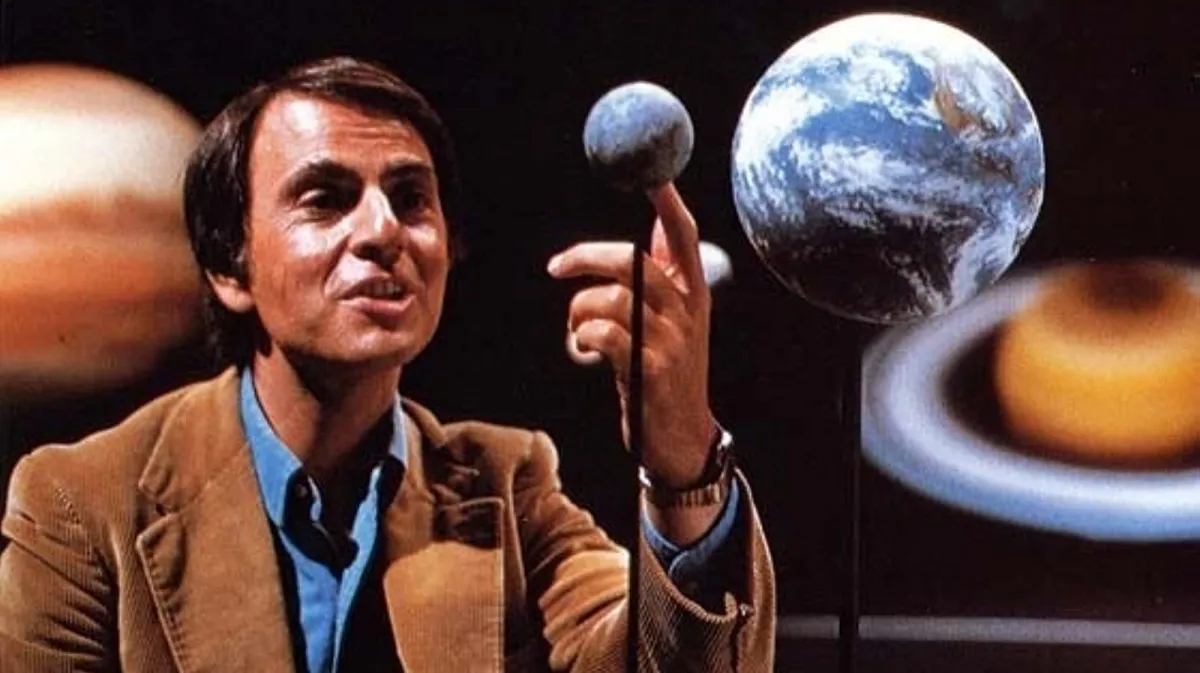 Photo: Carl Sagan, via www.slashfilm.com
What the critics missed was that accessibility was the point, and that Sagan was doing something that American science education had almost never managed to do at scale: making the universe feel personal.
Cosmos reached an estimated 500 million viewers worldwide. It sparked a measurable increase in science enrollment at American universities in the years that followed. It produced a generation of researchers, educators, and science communicators who cite it as the reason they chose the path they did. Neil deGrasse Tyson has said as much, publicly and repeatedly.
Sagan was never fully embraced by the academic establishment during his lifetime — he was rejected for membership in the National Academy of Sciences in a vote that remains a complicated footnote in American science history. But the field he helped grow is larger and more publicly engaged because he chose the television studio over the ivory tower.
3. The Football Star Who Quietly Built a Civil Rights Organization
Bernie Casey played professional football for the San Francisco 49ers and the Los Angeles Rams in the 1960s, and was good enough to earn a reputation as one of the more talented receivers of his era. He was also a painter, an actor, and — this is the part that tends to get lost — one of the more quietly effective organizers in the early civil rights movement in California.
Casey used his athletic platform not just for visibility but for infrastructure: he helped connect Black athletes with civil rights organizations at a moment when that connection carried real risk and real weight. His post-football career as an actor and artist got the coverage; his organizing work got almost none. But the networks he helped build in the 1960s outlasted his time on the field by decades.
4. The Pop Singer Who Became a Pioneering Disability Rights Advocate
Vic Morrow — not the actor, but the lesser-known pop singer of the same name who had a brief moment of regional fame in the early 1960s — spent the decade after his musical career faded working in special education in California's public school system. What started as a practical career pivot became a genuine vocation.
By the mid-1970s, Morrow had become one of the more persistent and effective advocates for mainstreaming disabled students into general education classrooms — a practice that was, at the time, deeply controversial and fiercely resisted by school administrators across the country. He testified before state legislative committees, wrote widely circulated position papers, and helped draft language that eventually found its way into California's early special education statutes.
Almost nobody connected the advocate to the singer. Which, by all accounts, suited him fine.
5. The Olympic Sprinter Who Transformed American Sports Medicine
Wilma Rudolph became one of the most celebrated athletes in American history when she won three gold medals at the 1960 Rome Olympics — a stunning achievement made more remarkable by the fact that she had spent much of her childhood unable to walk properly due to a combination of polio and other illnesses. The story of her athletic triumph is genuinely extraordinary and has been told many times.
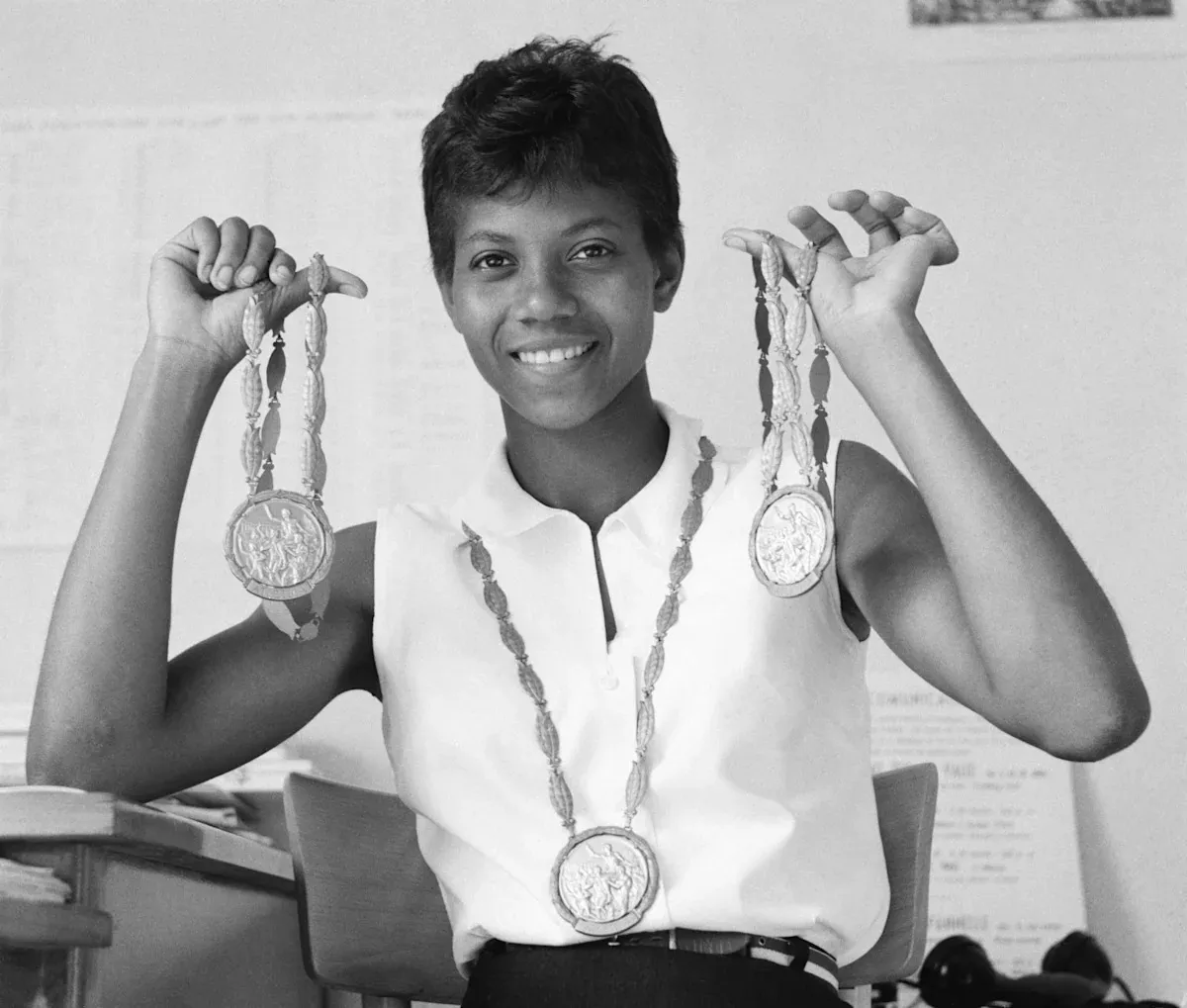 Photo: Wilma Rudolph, via s.yimg.com
Less told is what she built afterward. Rudolph founded the Wilma Rudolph Foundation in 1981, which provided free coaching and academic tutoring to underprivileged youth. But her influence on sports medicine — specifically on how American coaches and trainers thought about childhood physical recovery and the long-term development of young athletes who had experienced serious illness — was significant and largely unacknowledged.
Her own experience as a patient who had been told she might never walk, and who then became the fastest woman in the world, gave her a perspective on physical recovery that she shared widely with medical and coaching communities in the 1960s and 70s. The frameworks she helped popularize around gradual rehabilitation and athlete-centered recovery look, in retrospect, ahead of their time.
6. The Comedian Who Accidentally Documented American Working-Class Life
Dick Gregory's comedy career in the early 1960s made him one of the first Black comedians to perform to integrated audiences in major American clubs — a genuine breakthrough that earned him justified recognition. But Gregory was always doing something else alongside the comedy: he was documenting.
His routines were dense with sociological observation about race, class, poverty, and the specific textures of Black American life in mid-century cities. When researchers and historians began studying the social history of that era in the 1980s and 90s, they found that Gregory's recorded performances were among the most precise and detailed accounts of daily working-class Black experience available — more granular, in some ways, than the journalism of the time.
He had also, by then, become a serious political activist and nutrition researcher whose work on fasting and diet in communities of color was largely ignored by mainstream medicine. Gregory spent decades arguing for connections between poverty, diet, and chronic illness that the medical establishment eventually came around to acknowledging, long after he had moved on.
The Pattern Underneath
What connects these six people isn't just the fact of a second act. It's the specific freedom that being underestimated in a new arena can provide. When nobody is watching closely, when the expectations are low, when the critics have already made up their minds — there's room to work without the weight of a reputation to protect.
Fame in one field can be a trap. But for the right kind of person, it can also be a disguise. These six wore it well.