The Diplomat Nobody Wanted — Who Quietly Saved Thousands of Lives
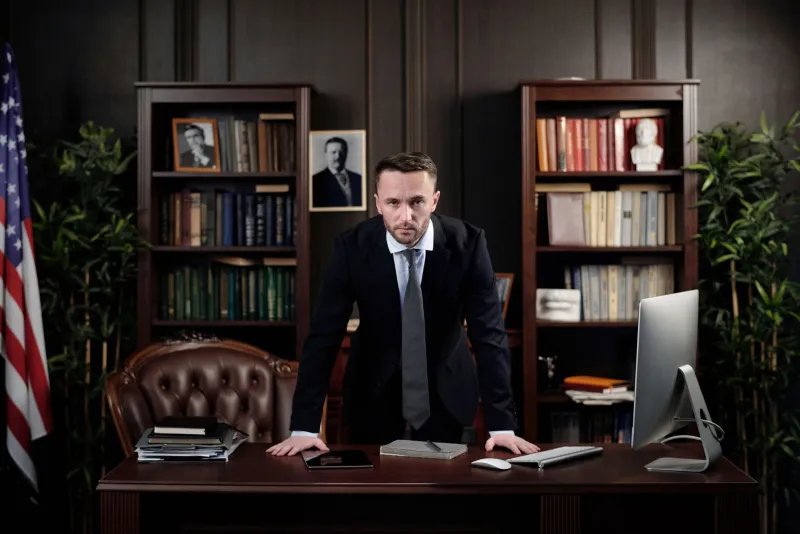
The State Department has a long tradition of making problems disappear by sending them somewhere far away. A difficult official, an inconvenient ally, an appointment that needs to be honored without actually meaning anything — all of these can be managed by assigning someone to a posting that sounds important and isn't. The title stays respectable. The influence evaporates.
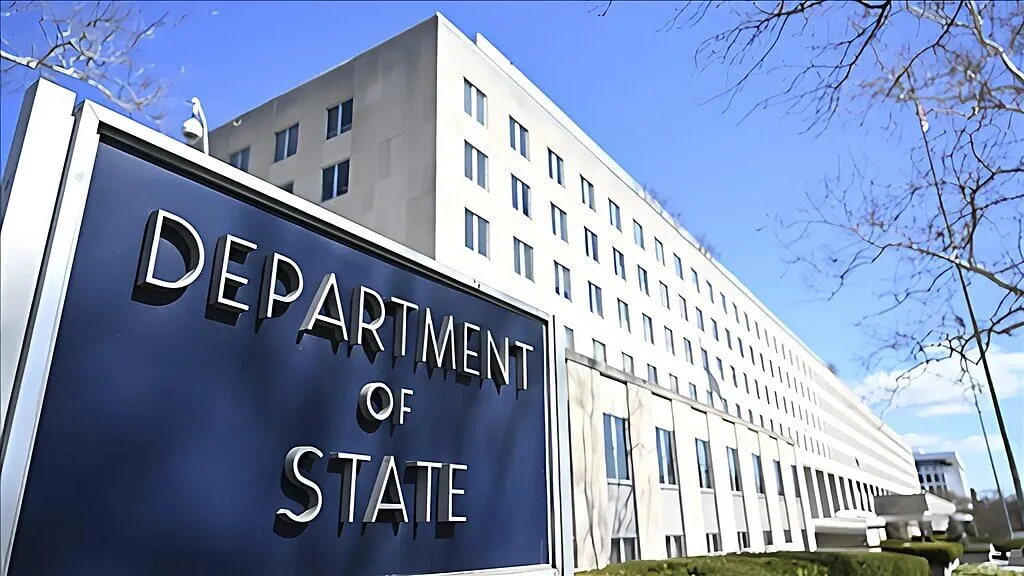 Photo: State Department, via www.stimson.org
Edward Stanton — not the famous Civil War secretary, but a mid-century foreign service officer whose name appears in almost no popular history — received exactly this kind of appointment in the early 1950s. His posting was to a small country in a volatile region, a place where American strategic interest was real but American political attention was minimal. The message from Washington was clear, even if nobody said it out loud: go there, stay quiet, don't make trouble, and don't expect to matter.
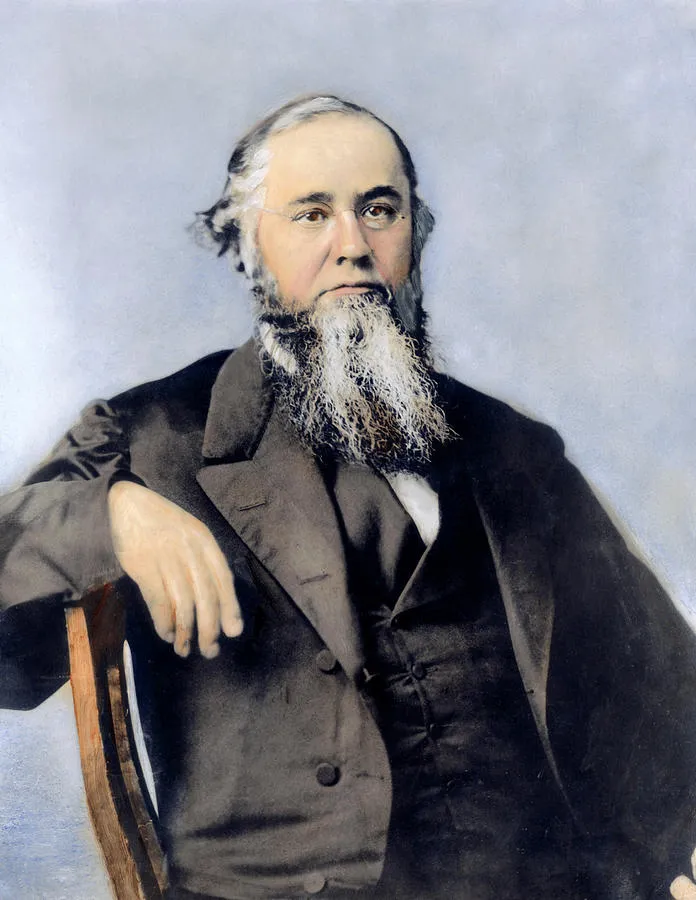 Photo: Edward Stanton, via images.fineartamerica.com
Stanton went. He stayed quiet. And then, over the course of three years, he almost certainly prevented a regional conflict that could have drawn in multiple nations, destabilized an entire corner of the world, and cost thousands of lives.
The reason you've never heard of him is the same reason he succeeded: the crisis never happened.
The Art of Being Underestimated
Stanton arrived at his post with two things working against him and one thing quietly working in his favor. Against him: he had no particular expertise in the region, no powerful patrons back in Washington, and no mandate to do anything beyond routine diplomatic maintenance. In his favor: nobody was watching.
For a certain kind of diplomat, invisibility is a liability. Careers are built on cables that get read, speeches that get quoted, meetings with principals that generate memos. Stanton understood, early in his posting, that none of that was available to him. So he stopped looking for it.
Instead, he spent his first six months doing something that sounds almost embarrassingly simple: he listened. He had tea with local officials who weren't important enough to appear on anyone's priority list. He learned the language beyond the functional minimum. He attended funerals and weddings and local festivals, the kind of events that senior diplomats often delegated to junior staff. He built, slowly and deliberately, a network of personal relationships that had nothing to do with official channels.
When the crisis began to develop — quietly at first, a set of territorial disputes and internal political pressures that could easily have been allowed to harden into something much more dangerous — Stanton was already inside the room. Not the formal room, not the room where official negotiations happened. The other room. The one where people said what they actually thought.
Backchannels and Back Roads
The details of what Stanton actually did during the critical eighteen months of the crisis are, even now, only partially reconstructed. Diplomatic archives from this period are incomplete. Many of the conversations that mattered most were never written down — deliberately so, because the moment they became official, they would have stopped working.
What the record does show is a pattern of unconventional engagement. Stanton arranged for informal meetings between officials on opposing sides who officially weren't speaking. He used his personal relationships to carry messages that couldn't travel through formal channels without triggering the very escalation everyone was trying to avoid. He identified the specific individuals on each side whose anxieties were driving the crisis forward and found quiet ways to address those anxieties without anyone losing face.
He also, critically, kept Washington from making things worse. Several times during the crisis, pressure came from State Department officials who wanted to issue formal statements or make public declarations that would have locked both sides into positions they couldn't retreat from. Stanton pushed back — gently, carefully, always through proper channels — and bought time. The statements were delayed, softened, or quietly shelved. The space for a private solution stayed open.
This is harder than it sounds. Pushing back on Washington from a minor posting, without patrons or political capital, requires a particular kind of nerve. Stanton had it. He also had something rarer: the patience to let a solution develop at its own pace rather than forcing a resolution that would satisfy the optics back home without actually fixing anything.
The Success Nobody Could Celebrate
When the crisis finally wound down — not with a treaty or a summit or a historic handshake, but with a slow, quiet lowering of temperature on all sides — there was no announcement. There couldn't be. Any public acknowledgment of how close things had come would have been embarrassing for the governments involved and would have undercut the very relationships that had made the resolution possible.
Stanton wrote a long cable to Washington summarizing what had happened. It was read by a handful of people, filed, and largely forgotten. He was not promoted. He was not publicly commended. He served out the remainder of his posting and eventually returned to a series of similarly minor assignments before retiring in the early 1960s.
The people whose lives were never disrupted by the conflict he helped prevent have no idea he existed. The officials on both sides who sat across from him in those informal meetings are, for the most part, dead. The cable he wrote is accessible to researchers who know to look for it, but almost nobody does, because there's no famous event attached to it — no war, no treaty, no crisis with a name.
History, as a discipline, is largely organized around events. The things that didn't happen are almost impossible to document, let alone celebrate.
What We Owe the Invisible
There's a philosophical problem embedded in Stanton's story that goes beyond any individual career. How do we account for the people whose greatest achievement was an absence — a catastrophe that didn't unfold, a war that didn't start, a disaster that was quietly walked back from the edge?
We build monuments to generals. We write biographies of presidents. We name buildings after the people who were in the room when the dramatic thing happened. But the people who made sure the dramatic thing never had to happen — who spent years in unglamorous postings, building relationships nobody valued, doing work that couldn't be publicized without being destroyed — those people mostly disappear.
Stanton disappeared. But the world he left behind was slightly less dangerous than the one he found. That's not nothing. In fact, depending on how you count the lives that weren't lost and the futures that weren't foreclosed, it might be everything.
The greatest diplomatic achievement is a silence where a catastrophe used to be. Stanton understood that. He just never got credit for it.
Maybe that was the point all along.