The Cell Block Prophet: How One Man's Life Sentence Became America's Second Chance
The Making of a Lifer
Shaka Senghor was 19 when the gavel came down with the finality of a coffin lid. Life without parole for second-degree murder. The judge's words echoed in the Wayne County courtroom: society had no use for him anymore. He would die behind bars, forgotten and irredeemable.
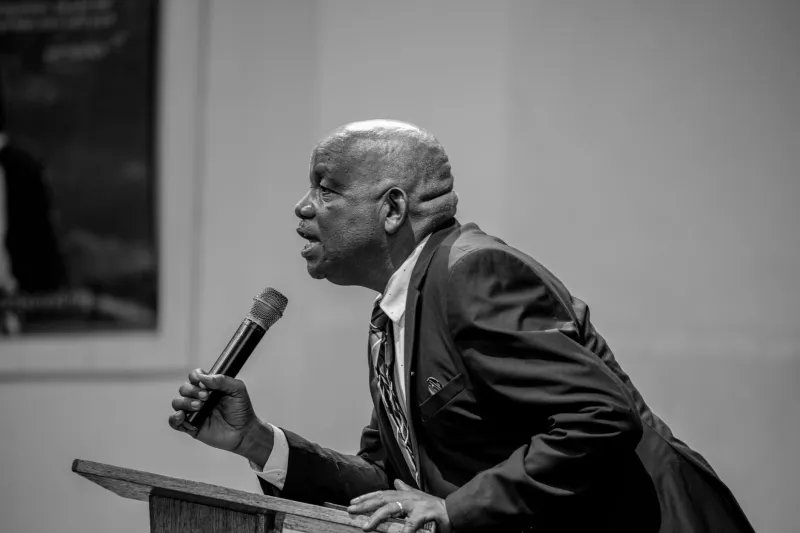
 Photo: Shaka Senghor, via www.clio.com
But the judge was wrong about irredeemable.
The young man born James White in Detroit had grown up in a world where violence was currency and survival meant striking first. A drug deal gone wrong had ended with a man dead and Senghor facing a future measured not in years, but in decades of concrete and steel. As the prison doors slammed shut in 1991, America wrote him off as another statistic in the war on drugs.
What happened next would challenge every assumption about punishment, redemption, and human potential.
University Behind Bars
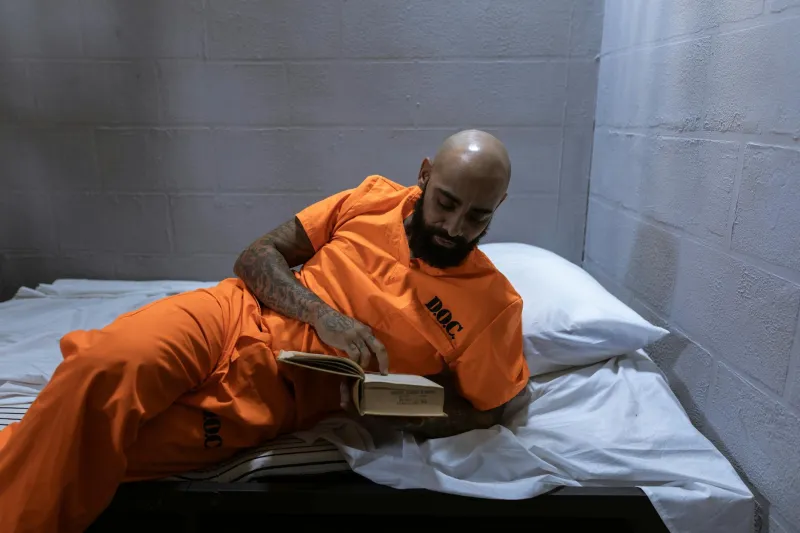
Prison was supposed to break Senghor. Instead, it became his classroom. In the isolation of solitary confinement—four years of 23-hour lockdown—he discovered books. Not the recreational reading of someone passing time, but the desperate consumption of knowledge by someone rebuilding himself from the ground up.
He devoured everything: philosophy, psychology, sociology, literature. Malcolm X's autobiography showed him the power of transformation. James Baldwin taught him about the complexity of American identity. Buddhist texts introduced concepts of mindfulness and compassion that seemed impossible in a place designed to strip away humanity.
But reading wasn't enough. Senghor began writing—first poetry, then essays, then detailed frameworks for understanding violence and healing. His notebooks filled with ideas about restorative justice, community healing, and the root causes of crime that most academics were just beginning to explore.
The Birth of a Movement
Word of Senghor's transformation spread through the prison in whispers. Hardened lifers began seeking him out for counsel. Gang members asked him to mediate disputes. Even corrections officers noticed something different—here was an inmate who seemed to radiate calm in a place designed to breed chaos.
Senghor started informal discussion groups, teaching conflict resolution and emotional intelligence to men who had never learned these skills. His approach was revolutionary: instead of simply punishing harmful behavior, he focused on understanding its roots and developing alternatives. He called it "restorative justice," though the term was barely known outside academic circles.
These weren't feel-good therapy sessions. Senghor's methods were rigorous, demanding that participants confront the real harm they had caused while also examining the systems that had failed them. Men who had spent decades in and out of prison began experiencing genuine transformation.
Recognition from the Outside
By the early 2000s, stories about Senghor's work were reaching beyond prison walls. Criminal justice reformers began corresponding with him. His essays, smuggled out through legal mail, were being circulated among academics and activists. Here was someone developing sophisticated theories about justice and healing from the very epicenter of America's punishment system.
The irony was impossible to ignore: a man sentenced to die in prison was creating frameworks that could revolutionize how America handled crime and punishment.
School districts dealing with rising suspension rates began implementing Senghor's conflict resolution techniques. Community organizations adapted his approaches to gang intervention. Even police departments started incorporating his ideas about de-escalation and community healing.
The Impossible Commutation
In 2010, after 19 years behind bars, the impossible happened. Michigan Governor Jennifer Granholm commuted Senghor's sentence, making him eligible for parole. The decision was controversial—victims' rights groups protested, law enforcement officials questioned the precedent. But Granholm had studied Senghor's transformation and concluded that justice sometimes means recognizing when punishment has achieved its purpose.
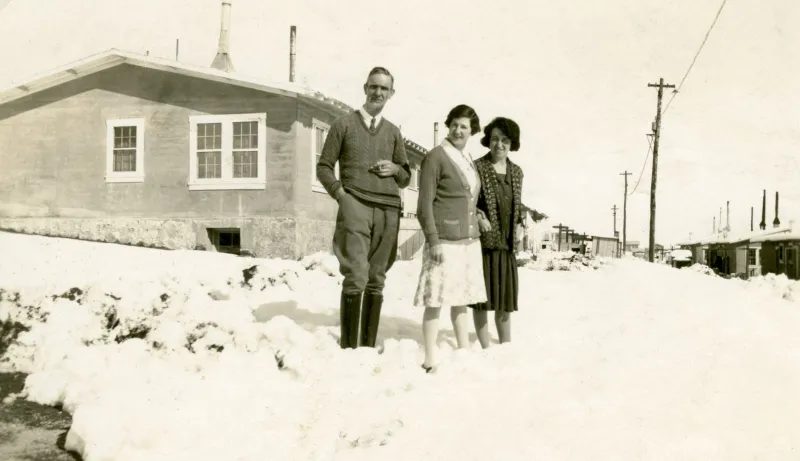
 Photo: Jennifer Granholm, via fortune.com
The man who walked out of prison in 2010 bore little resemblance to the teenager who had entered. Senghor had become a scholar, a teacher, and a healer. More importantly, he had proven that redemption was possible even in the most hopeless circumstances.
The Teacher America Needed
Freedom didn't slow Senghor down—it amplified his impact. He became a sought-after speaker, sharing his story and methods with audiences across the country. His TED talks garnered millions of views. His books became required reading in criminal justice programs.
But his real work continued in communities ravaged by violence and over-incarceration. Senghor developed programs that brought his prison-tested methods to schools, community centers, and even other prisons. His approach—combining accountability with healing, punishment with restoration—offered a third way in America's binary debate about crime and justice.
Cities from Oakland to Detroit began implementing his frameworks. Recidivism rates dropped in programs that adopted his methods. Young people in high-crime neighborhoods learned conflict resolution skills that broke cycles of violence.
The Paradox of Punishment
Senghor's story reveals a profound paradox at the heart of American justice: the man our system was designed to destroy became one of its most effective reformers. His life sentence, intended as society's final judgment, became the crucible that forged one of the most influential voices in modern criminal justice reform.
Today, restorative justice programs based on Senghor's work operate in hundreds of schools and communities across America. His ideas about healing trauma and building empathy have influenced policy at the highest levels of government. The young man who was supposed to die forgotten in prison became a prophet of redemption.
The Continuing Revolution
Shaka Senghor's transformation didn't end when he walked free. It continues every time someone chooses healing over revenge, every time a community chooses restoration over retribution. His life proves that America's greatest teachers don't always come from universities—sometimes they emerge from the very places society has written off as hopeless.
In the end, Senghor's story isn't just about one man's redemption. It's about America's capacity to recognize that its greatest failures can become its most powerful tools for change. Sometimes the people we throw away are exactly the ones we need to find our way back home.