The Beekeeper Who Became America's Most Unlikely Spy

The Man Who Talked to Bees
In the summer of 1942, a government recruiter drove down a dirt road in Rappahannock County, Virginia, looking for an Italian immigrant named Lamberto Sorrentino. What he found was a man in a white mesh hat, surrounded by wooden boxes that hummed with the sound of fifty thousand bees.
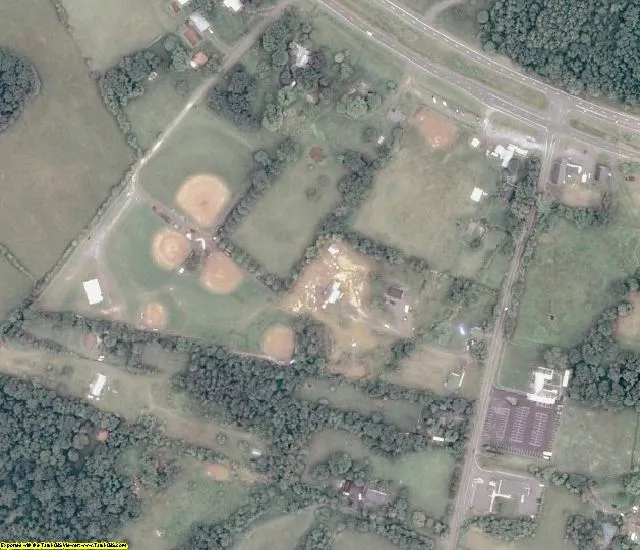 Photo: Rappahannock County, Virginia, via www.landsat.com
Sorrentino had been in America for twenty-three years, ever since he'd arrived at Ellis Island with nothing but a letter from his cousin and the address of a farm that needed workers. He'd learned English from newspapers and radio programs, married a schoolteacher from West Virginia, and built a modest business selling honey at farmers markets from Richmond to Washington, D.C.
 Photo: Ellis Island, via www.tripsavvy.com
The recruiter wasn't there for honey.
A Different Kind of Intelligence
The Office of Strategic Services—America's wartime intelligence agency—had a problem. They needed operatives who could blend into occupied Italy, people who understood the culture, spoke the language, and could move through small towns without raising suspicion. But most Italian-Americans who fit that description lived in cities, worked in visible jobs, and had families that would ask questions.
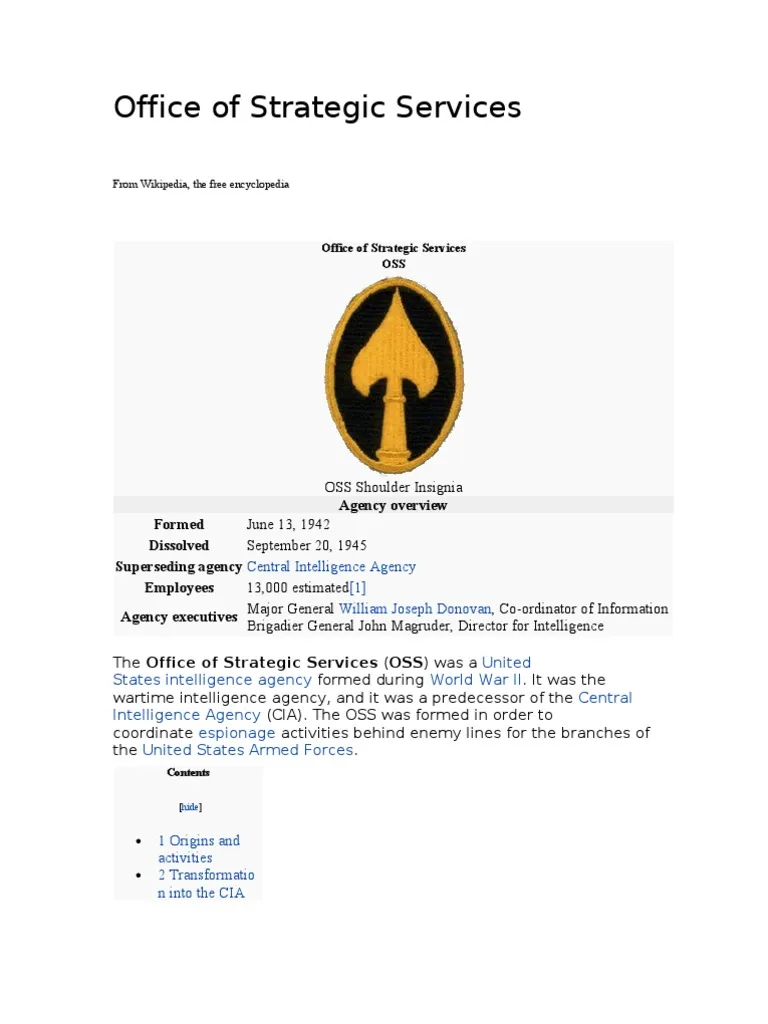 Photo: Office of Strategic Services, via imgv2-2-f.scribdassets.com
Sorrentino was different. He lived quietly, worked alone, and had spent two decades perfecting the art of observation. Beekeeping, he would later explain to his OSS handlers, teaches you to notice everything: changes in sound, shifts in behavior, the difference between normal activity and something that signals danger.
"You watch a hive long enough," he told them, "you learn to see what doesn't belong."
From Hives to Handler
After six months of training at a facility in Maryland that officially didn't exist, Sorrentino was dropped into the mountains of northern Italy in the spring of 1943. His cover was perfect: a beekeeper returning to help his aging uncle with the family business. His real mission was to build a network of local informants who could report on German troop movements.
What happened next surprised everyone, including Sorrentino himself. The quiet man who had spent years working alone discovered he had an uncanny ability to read people. He could spot a collaborator in a crowded market, identify which partisans could be trusted with sensitive information, and sense when a safe house was about to be compromised.
By the fall of 1943, his network stretched from Turin to Milan, providing intelligence that helped Allied forces avoid German ambushes and locate supply depots. German counterintelligence knew someone was operating in their sector—they just couldn't figure out who.
The Patience of the Hive
Sorrentino's greatest asset wasn't his language skills or his cover story—it was his temperament. While other operatives pushed for quick results, he waited. He spent weeks building relationships, months earning trust, and never rushed an operation that wasn't ready.
"Bees teach you patience," he wrote in a letter to his wife that somehow made it through wartime censors. "You can't force a hive to do what you want. You have to wait for the right moment, then move quickly when it comes."
That patience paid off in January 1944, when his network provided intelligence that helped Allied forces capture a German communications hub intact, along with codebooks that proved invaluable for the remainder of the war.
The Spy Who Came Home
Sorrentino returned to Virginia in 1945, picked up his smoker and hive tool, and went back to checking on bees. He never talked about the war, even after the OSS was declassified and his service became part of the public record.
Neighbors who had known him for decades were stunned to learn that the quiet man who sold honey at the courthouse square had spent two years running one of the most successful intelligence operations in occupied Europe.
When a reporter finally tracked him down in 1963, Sorrentino was seventy-one years old and still working his hives. Asked about his wartime service, he shrugged. "I just did what needed doing. Same as anyone would."
He died in 1978, and his obituary in the local paper mentioned his beekeeping business and his service in World War II. It didn't mention that he had been one of the most effective spies America never knew it had.
Lessons from the Hive
Sorrentino's story challenges everything we think we know about intelligence work. He succeeded not because he fit the profile of a spy, but because he didn't. His greatest qualifications were qualities that had nothing to do with espionage: patience, observation, and the ability to blend into the background until the moment when he needed to act.
In a world that increasingly values credentials over character, speed over patience, and visibility over effectiveness, Lamberto Sorrentino remains a reminder that sometimes the most important work is done by people nobody notices—until the moment when their quiet competence becomes indispensable.
His hives are gone now, sold off when his children moved to the city. But the lessons remain: that greatness often comes disguised as ordinariness, that the most valuable skills can't always be taught in schools, and that sometimes the best preparation for an extraordinary challenge is a lifetime of doing ordinary work extraordinarily well.