The Mad Men Who Changed History: How an Ad Writer's Way with Words Became the Voice of a Movement

The Call That Changed Everything
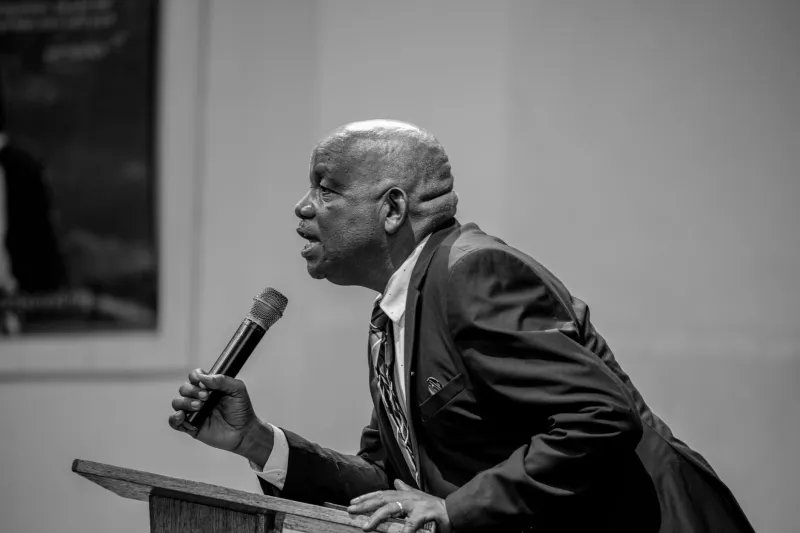
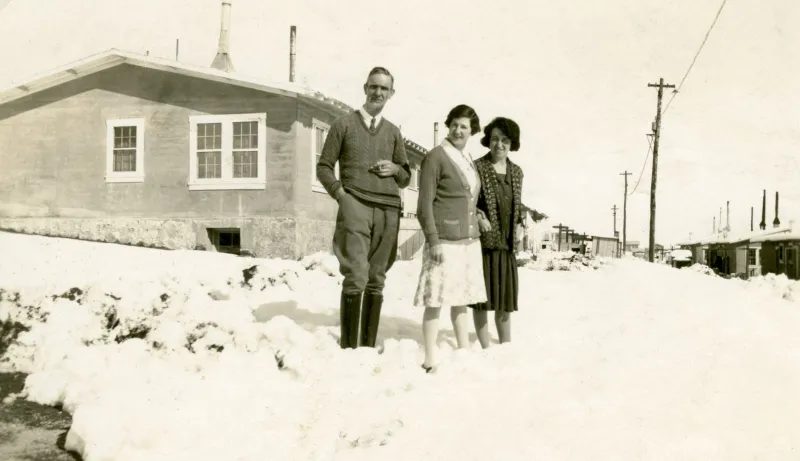
Stanley Morrison was having lunch at his desk in the Madison Avenue offices of Batten, Barton, Durstine & Osborn when the phone rang. It was February 1963, and Morrison had spent the morning crafting copy for a new breakfast cereal campaign. The voice on the other end was unfamiliar, urgent.
 Photo: Madison Avenue, via www.getawaymavens.com
"We need someone who knows how to make people listen," the caller said. "Someone who understands how words work."
The caller was Clarence Jones, a lawyer working closely with Martin Luther King Jr. They had a problem: the civil rights movement had moral authority and passionate supporters, but they were losing the battle for public opinion. Their messaging was scattered, their slogans forgettable. They needed someone who understood the psychology of persuasion.
 Photo: Martin Luther King Jr., via almma.ai
Someone had mentioned Morrison—a white copywriter from Minnesota who had an unusual gift for making complex ideas stick in people's minds.
The Unlikely Recruit
Morrison wasn't political. He'd grown up in Minneapolis, studied English at the University of Minnesota, and fallen into advertising almost by accident. But he had a reputation in the industry for campaigns that didn't just sell products—they changed how people thought about them.
His work for Volkswagen had transformed a Nazi-era car company into a symbol of counterculture rebellion. His campaign for Avis turned being second place into a competitive advantage. Morrison understood something fundamental about human psychology: people don't just buy products, they buy stories about themselves.
"Stanley had this incredible ability to find the emotional core of any message," remembers his former colleague David Ogilvy. "He could take the most complex idea and boil it down to something that felt inevitable, like you'd always believed it but just never had the words."
The Secret Collaboration
What happened next remained largely hidden for decades. Morrison began working with the civil rights movement, but not in any official capacity. He met with organizers in hotel rooms and coffee shops, crafting the language that would define some of the era's most powerful moments.
The collaboration was delicate. Morrison was conscious of his role as an outsider, and movement leaders were initially skeptical of getting messaging advice from a white Madison Avenue executive. But the results spoke for themselves.
Morrison didn't write speeches—that remained the domain of the movement's own voices. Instead, he helped refine the language, suggesting subtle changes that made messages more memorable, more persuasive, more likely to stick in the minds of both supporters and skeptics.
The Science of Changing Minds
Morrison brought advertising's understanding of mass psychology to the civil rights movement. He understood that effective messaging had to work on multiple levels—emotional and rational, immediate and lasting.
"You can't just tell people what to think," Morrison explained in a rare interview years later. "You have to help them discover what they already believe, deep down. The best advertising doesn't create desire—it reveals desire that was already there."
He applied this philosophy to civil rights messaging. Instead of focusing solely on injustice, Morrison helped craft language that spoke to shared American values—fairness, opportunity, the idea that hard work should be rewarded regardless of who you are.
The March on Washington
Morrison's most significant contribution came in the weeks leading up to the March on Washington. The event needed a message that would resonate beyond the movement's core supporters, something that would make sense to white Americans watching on television.
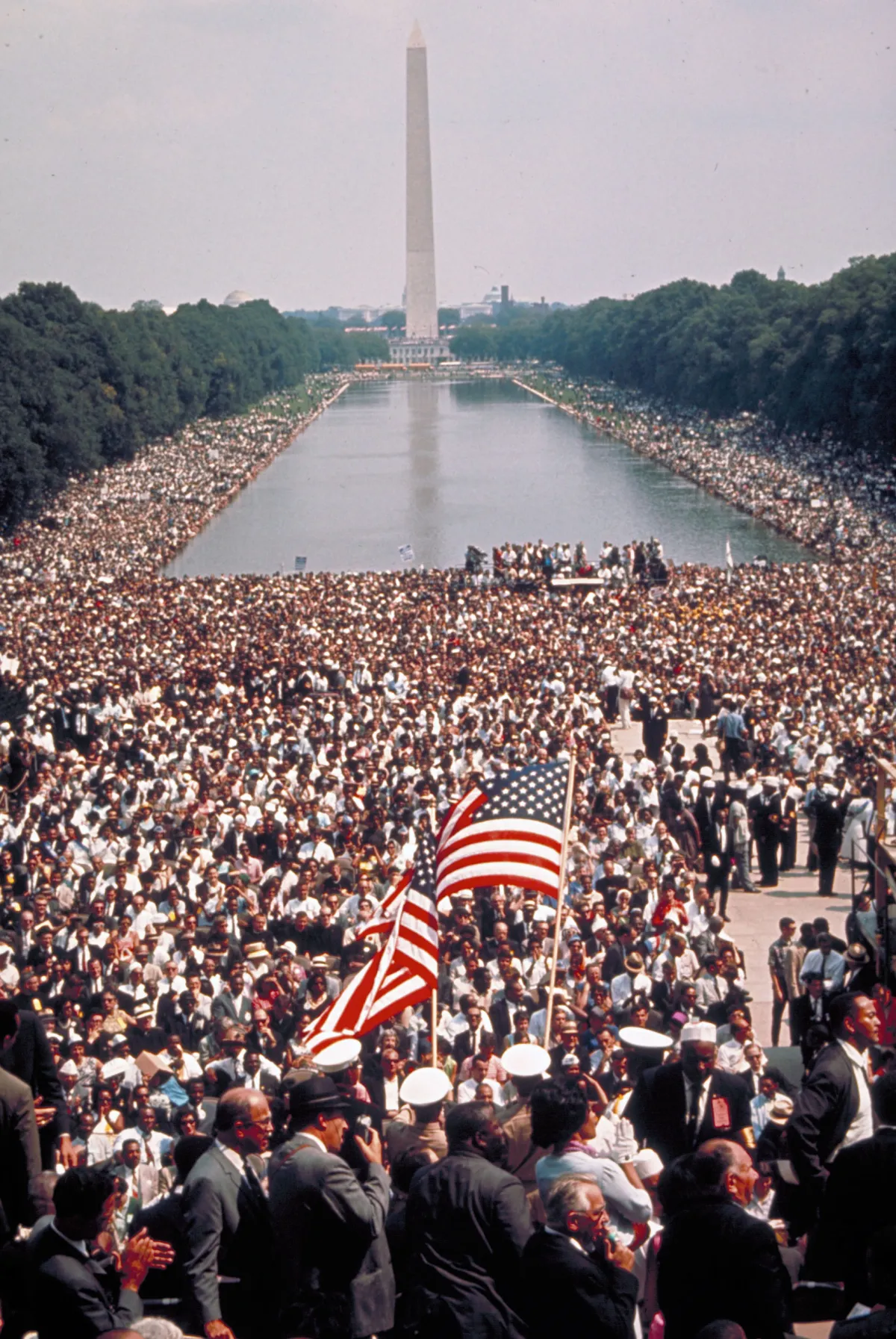 Photo: March on Washington, via api.time.com
Working closely with organizers, Morrison helped refine the messaging around the march. The language emphasized economic opportunity and American ideals rather than just civil rights. The march wasn't presented as a protest against America, but as an appeal to America's better angels.
The famous "I Have a Dream" speech wasn't written by Morrison—that was King's own genius. But the broader messaging framework that made the march feel like a celebration of American values rather than an attack on them bore Morrison's fingerprints.
Beyond the Movement
Morrison's work with the civil rights movement continued throughout the 1960s, though always behind the scenes. He helped craft messaging for voter registration drives, economic boycotts, and legislative campaigns. His advertising expertise proved invaluable in an era when television was becoming the dominant medium for political communication.
But the collaboration changed Morrison as much as it changed the movement. His later advertising work became more socially conscious, more aware of advertising's power to shape not just consumer behavior but social attitudes.
"Working with the civil rights movement taught me that advertising isn't just about selling products," Morrison reflected. "It's about selling ideas, values, visions of what America could be. That's a profound responsibility."
The Hidden Influence
For decades, Morrison's role remained largely unknown. He rarely spoke publicly about his work with the movement, and civil rights histories focused on the leaders and activists who put their lives on the line. But his influence was profound and lasting.
The messaging strategies Morrison helped develop became templates for later social movements. The language of economic opportunity, the emphasis on shared values, the careful balance between moral urgency and mainstream appeal—these became standard approaches for advocates seeking social change.
The Power of the Right Words
Morrison's story reveals something important about how social change happens. Great movements need more than just moral authority and passionate commitment—they need effective communication. They need someone who understands how to make complex ideas simple, how to make urgent needs feel universal.
"Stanley understood that changing society starts with changing how people think," says historian Taylor Branch. "And changing how people think often comes down to finding the right words, in the right order, at the right moment."
Morrison never marched on Washington. He never faced police dogs or spent time in jail for his beliefs. But his contribution to the civil rights movement was profound in its own way. He proved that sometimes the most powerful activism happens in boardrooms and creative meetings, where the right words can change everything.
Today, Morrison is remembered primarily for his advertising work. But his hidden collaboration with the civil rights movement may be his most lasting legacy—proof that the skills we develop in one arena can become instruments of justice in another, and that sometimes the most unlikely allies can help bend the arc of history toward progress.