When the Backup Became the Breakthrough: Six Times America's Understudies Rewrote the Script
The Art of the Second String
In American success stories, we celebrate the stars, the leaders, the ones who were always destined for greatness. But some of our most transformative figures were never meant to be first. They were the understudies, the deputies, the backup plans—until circumstances thrust them into the spotlight and they rewrote the very definition of leadership.
Here are six Americans who proved that sometimes the most important person in the room is the one nobody planned to notice.
1. The Deputy Who Saved the Cold War
W. Averell Harriman was supposed to be window dressing. In 1968, President Johnson sent the wealthy diplomat to Paris as deputy to the chief U.S. negotiator for Vietnam peace talks. Harriman's job was simple: smile for photos and let the professionals handle the real work.
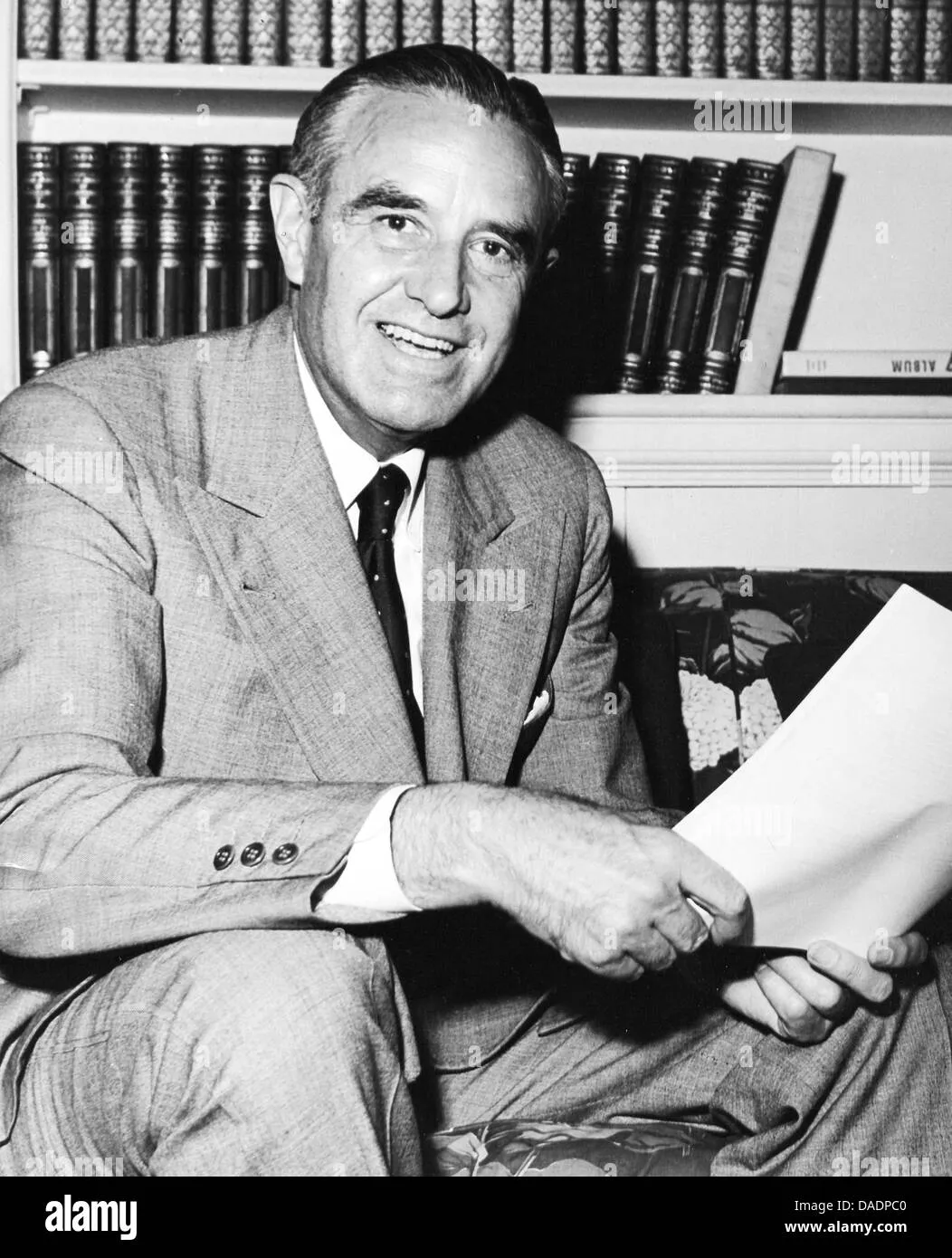 Photo: W. Averell Harriman, via c8.alamy.com
But when the negotiations stalled and the chief negotiator proved ineffective, Harriman quietly took control. Working behind the scenes, he established the personal relationships and informal channels that would eventually lead to meaningful talks. His approach—treating North Vietnamese negotiators as equals rather than defeated enemies—scandalized Washington but opened doors that formal diplomacy couldn't.
When Nixon took office, he inherited Harriman's framework and relationships. The "Paris Peace Accords" that eventually ended American involvement in Vietnam were built on groundwork laid by a man who was never supposed to be more than a figurehead.
Harriman's lesson: Sometimes the most important negotiations happen in the margins, conducted by people with nothing left to prove.
2. The Backup Singer Who Became the Sound of Soul
Darlene Love was hired to sing background vocals. For years, she was the secret weapon behind Phil Spector's "Wall of Sound"—her voice on classic tracks by The Crystals and Bob B. Soxx & the Blue Jeans, though her name rarely appeared on the credits.
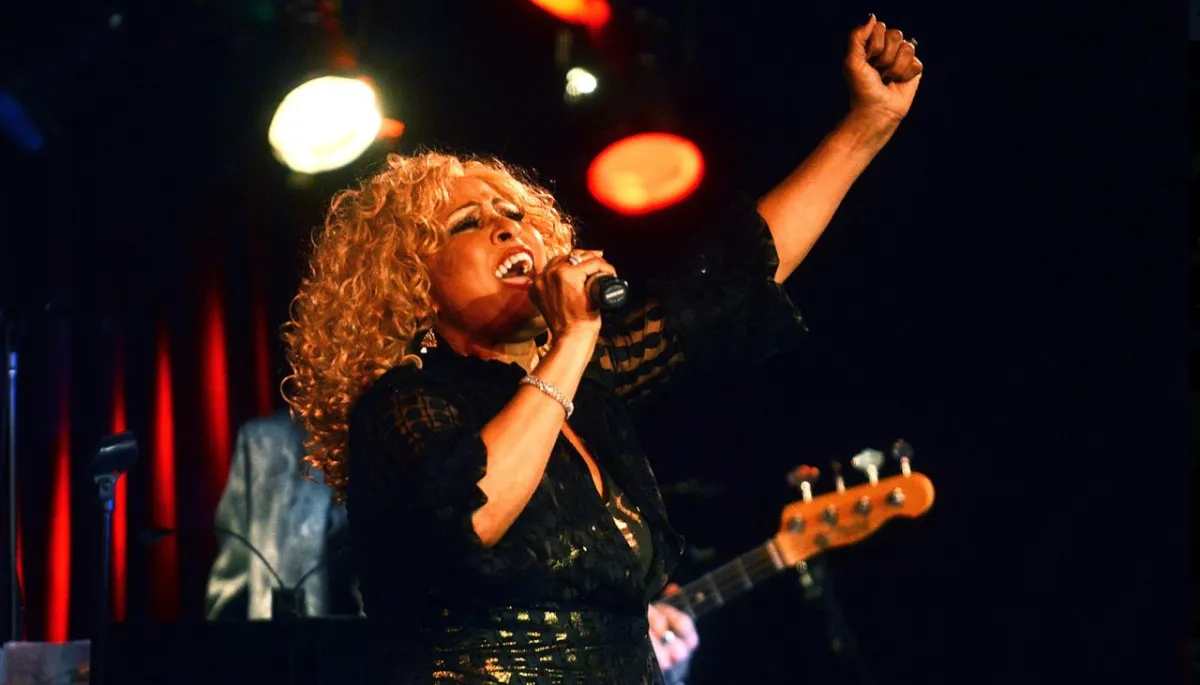 Photo: Darlene Love, via indigotalent.com
Spector kept Love in the shadows deliberately, believing her powerful voice would overshadow the acts she was supposedly supporting. She was paid session rates while her vocals generated millions in revenue for others.
But Love's voice was too distinctive to hide forever. When "He's a Rebel" became a massive hit in 1962, radio DJs and music critics began asking who was really singing. Love's background vocals had become the main attraction, her style defining an entire genre.
Eventually, Love broke free from the background, launching a solo career that influenced everyone from Whitney Houston to Alicia Keys. The backup singer became the blueprint for modern R&B vocals, proving that supporting roles can sometimes be the most powerful position of all.
3. The Assistant Coach Who Revolutionized Basketball
John Wooden wasn't UCLA's first choice for head basketball coach in 1948. He wasn't even their second. The university wanted someone with big-name recognition to lead their struggling program. Wooden was just an assistant coach from Indiana State, hired only after their preferred candidates turned them down.
For his first several seasons, Wooden's teams were mediocre. Alumni grumbled about the unknown coach who seemed in over his head. But Wooden was quietly building something revolutionary: a system that emphasized fundamentals, character, and continuous improvement over quick fixes and star players.
The breakthrough came in the 1960s when Wooden's patient approach finally bore fruit. UCLA won 10 NCAA championships in 12 years, including an unprecedented seven in a row. More importantly, Wooden's "Pyramid of Success"—his philosophy of building excellence through small, daily improvements—became the template for achievement in sports and business.
The backup choice became the greatest college basketball coach in history, proving that sometimes organizations get exactly what they need, even when it's not what they thought they wanted.
4. The Stand-In Scientist Who Cracked the Code of Life
Rosalind Franklin was supposed to be a supporting player in the race to discover DNA's structure. Working at King's College London, she was assigned to X-ray crystallography while the "real" scientists—James Watson and Francis Crick at Cambridge—worked on building molecular models.
Franklin's role was to provide data that others would interpret. She was the technician, not the theorist. But her methodical approach and superior technique produced X-ray images of unprecedented clarity. Her "Photo 51" revealed DNA's helical structure with stunning precision.
When Watson and Crick published their groundbreaking 1953 paper on DNA's structure, it was based largely on Franklin's crystallographic evidence. Though she received minimal credit at the time, modern science recognizes that Franklin's work was essential to one of the most important discoveries in human history.
Franklin died in 1958, four years before Watson, Crick, and Maurice Wilkins received the Nobel Prize for their DNA work. But her legacy proves that the most crucial contributions often come from people working quietly in the background, building the foundation that allows others to reach the summit.
5. The Substitute Teacher Who Integrated American Education
Ruby Bridges wasn't supposed to make history. In 1960, six-year-old Ruby was one of several Black children selected to integrate New Orleans schools. She was assigned to William Frantz Elementary as a backup plan—other children were meant to handle the more prominent schools.
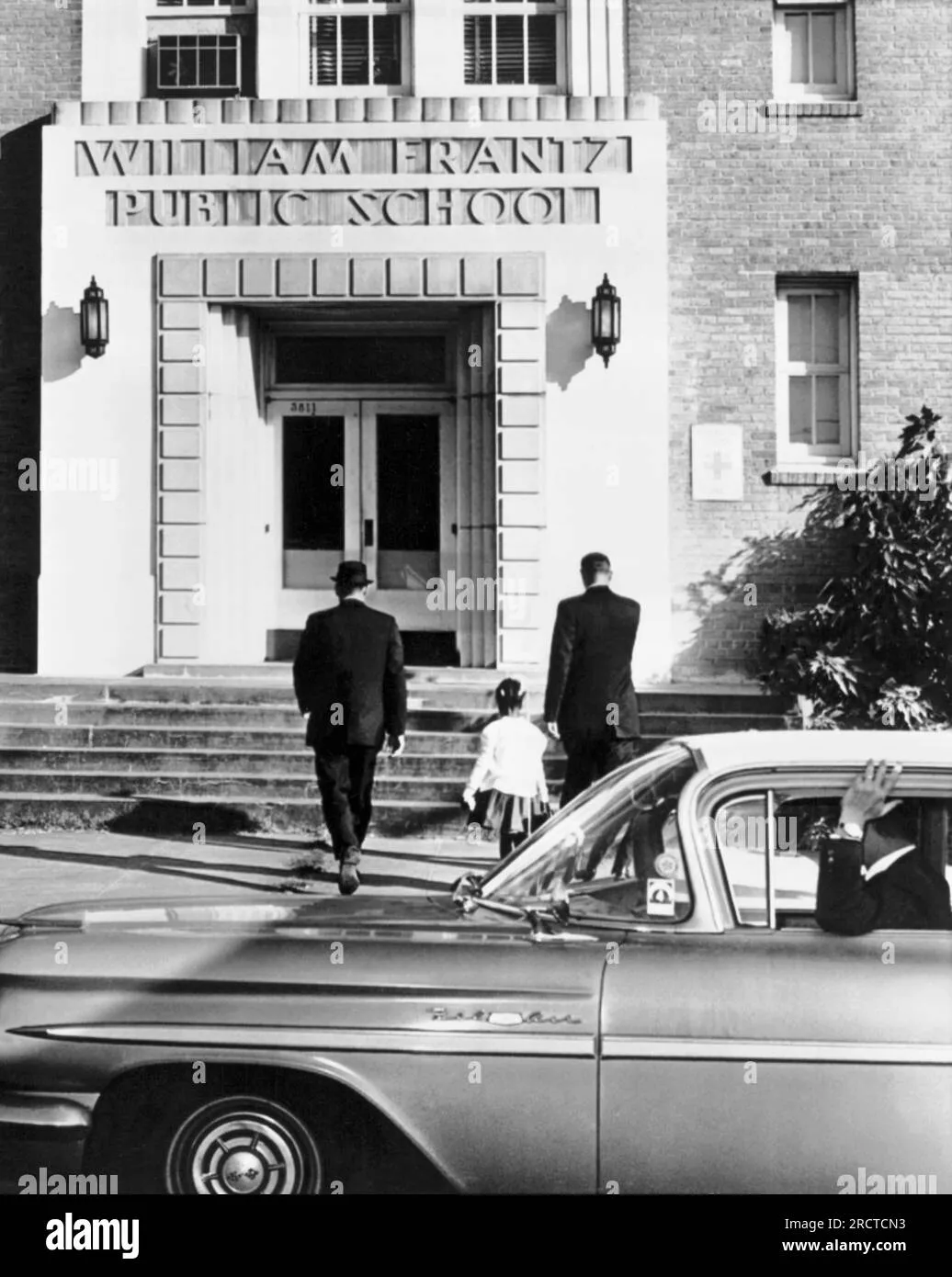 Photo: Ruby Bridges, via c8.alamy.com
But when the other families backed out due to threats and pressure, Ruby found herself walking alone into an all-white school, escorted by federal marshals while angry crowds screamed outside. For an entire year, she was the only student in her class as white parents pulled their children out in protest.
Ruby's quiet courage in the face of hatred became an iconic symbol of the civil rights movement. Her daily walk to school—captured in Norman Rockwell's famous painting "The Problem We All Live With"—showed America the human cost of segregation and the power of individual bravery.
The little girl who was nobody's first choice became the face of educational integration, proving that history often pivots on the actions of people who never asked to be heroes.
6. The Backup Quarterback Who Built a Media Empire
Tom Brady was pick #199 in the 2000 NFL Draft, selected by the New England Patriots as their fourth-string quarterback. He was insurance for their insurance, so far down the depth chart that most teams wouldn't have bothered.
When starting quarterback Drew Bledsoe was injured in 2001, Brady was supposed to keep the seat warm until the star recovered. Instead, he led the Patriots to their first Super Bowl victory in franchise history and never gave the job back.
Over the next two decades, Brady won seven Super Bowls and redefined what was possible for professional athletes. More importantly, his story of perseverance and preparation became a blueprint for overcoming long odds in any field.
The backup quarterback became the greatest player in NFL history, building a media and business empire that extends far beyond football. His success proved that sometimes the most dangerous person in any organization is the one with nothing to lose and everything to prove.
The Understudy Advantage
These six Americans share something beyond their backup status: they all used their time in the shadows to prepare for opportunities they weren't guaranteed to receive. While others focused on politics and positioning, they honed their skills and developed their unique approaches.
When their moments came, they didn't just fill in—they transformed their fields entirely. They proved that sometimes the most important position in any organization is the one nobody wants, because it's there that hungry, prepared people do their best work.
In a culture obsessed with being first, these understudies remind us that lasting impact often comes from those who were ready when opportunity knocked, even if they weren't the ones originally invited to answer the door.