When the Body Says No, the Mind Says Yes: The Paralyzed Player Who Built a Championship Front Office

The Play That Changed Everything
It happened during a routine Tuesday practice in October 1987. Marcus Williams, starting quarterback for Ohio State, took a snap, rolled right, and dove for what should have been an easy first down. The collision with the safety was clean, textbook even. But when Williams hit the ground, he didn't get up.
 Photo: Ohio State, via wallpapers.com
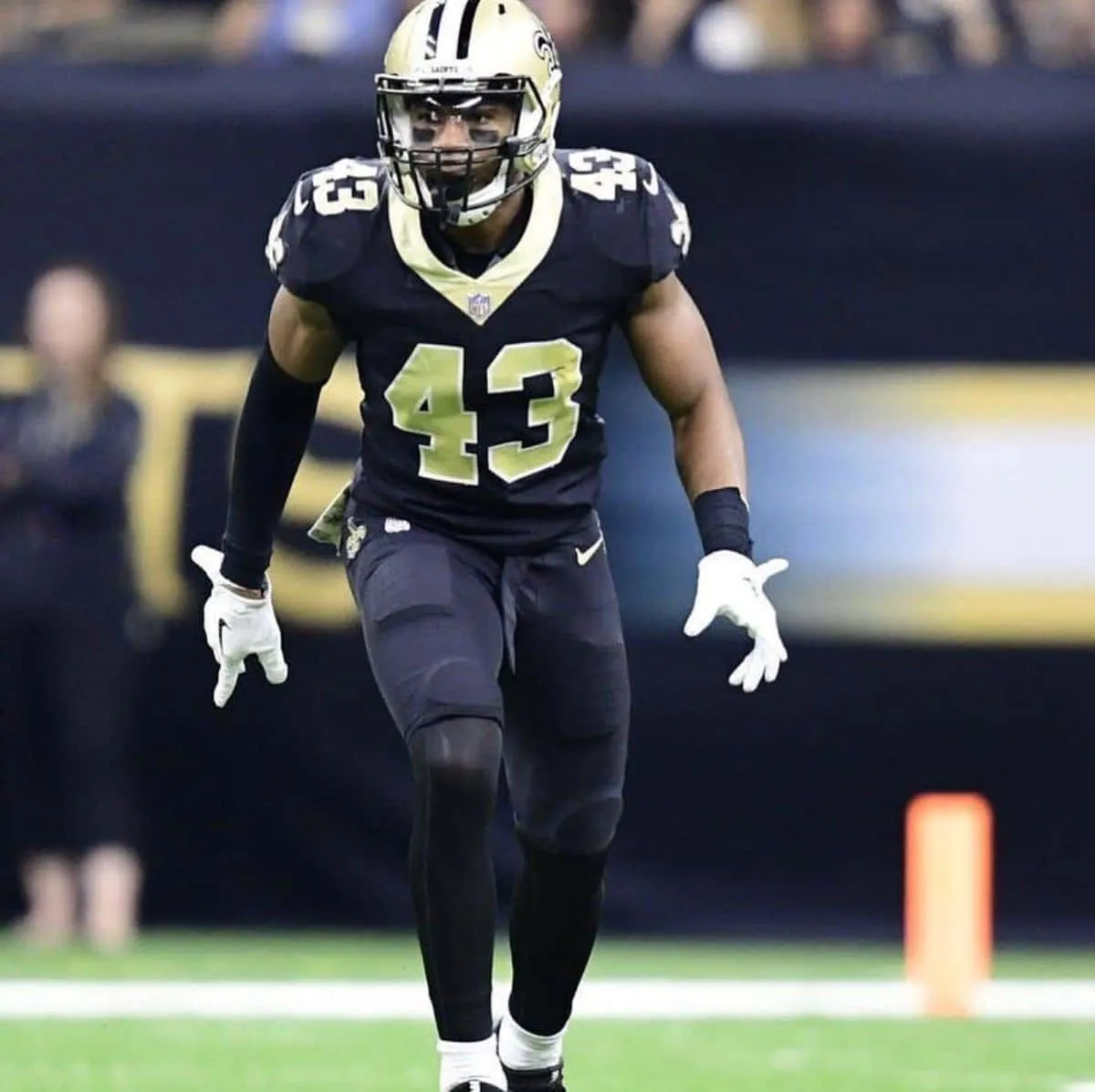 Photo: Marcus Williams, via wallpapers.com
The silence that followed would define the next chapter of his life. In an instant, Williams went from being projected as a third-round NFL draft pick to learning words like "incomplete spinal cord injury" and "adaptive equipment." The doctors were cautiously optimistic about partial recovery. Williams was devastated.
"I thought my life was over," Williams recalls. "Football wasn't just what I did—it was who I was. When they told me I'd never play again, I felt like they were telling me I'd never be me again."
The Education of a Different Kind of Player
What Williams didn't realize was that his real football education was just beginning. Confined to a wheelchair, he became the most dedicated student of the game he'd ever been. Unable to rely on physical talent, he dissected every aspect of football with the intensity of someone who had nothing left to lose.
He started by watching film—not just Ohio State games, but every piece of footage he could get his hands on. Williams studied personnel decisions, draft strategies, salary cap management, and the business side of football with the same obsession he'd once reserved for reading defenses.
"When you can't run the plays anymore, you start seeing the bigger game," Williams explains. "I began to understand that football isn't just about what happens between the lines—it's about the decisions made in boardrooms, the psychology of building a team, the economics of keeping talent together."
From Rehabilitation to Front Office
Williams finished his degree in business administration while working as a student assistant coach. His analytical approach and encyclopedic knowledge of the game caught the attention of Ohio State's athletic department. They offered him a position in their recruiting office after graduation.
It was unglamorous work—analyzing high school prospects, managing databases, coordinating visits. But Williams approached it like he was preparing for the Super Bowl. He developed new systems for evaluating talent that went beyond traditional metrics, focusing on character, adaptability, and what he called "football intelligence."
His methods worked. Ohio State's recruiting classes improved dramatically, and Williams's reputation began spreading throughout college football circles.
The NFL Takes Notice
In 1994, the Cleveland Browns were struggling with personnel decisions. Their scouting department was outdated, their draft picks inconsistent. Someone mentioned Marcus Williams—the paralyzed former quarterback who was revolutionizing college recruiting.
General Manager Mike Lombardi took a chance and hired Williams as a personnel analyst. It was an entry-level position, but Williams treated it like he was running the entire operation.
"Marcus had this incredible ability to see patterns that others missed," Lombardi remembers. "He could look at a player's college career and predict not just their NFL potential, but how they'd fit into our specific system, our culture, our salary structure."
Building a Championship Machine
Williams's rise through the Browns organization was meteoric. By 1999, he was assistant general manager. When the franchise moved to Baltimore and became the Ravens, Williams moved with them. He was promoted to general manager in 2002.
 Photo: Baltimore Ravens, via dwglogo.com
What followed was one of the most successful front-office runs in NFL history. Under Williams's leadership, the Ravens built a dynasty through shrewd drafting, strategic free agency, and innovative contract structures. They won two Super Bowls in eight years and never had a losing season.
Williams's secret weapon was his unique perspective on the game. "I see football differently because I had to learn it differently," he explains. "When your playing career ends in college, you don't have the ego that comes with NFL success. You're not attached to how things have always been done."
The Method Behind the Success
Williams revolutionized how teams evaluate talent. He pioneered the use of advanced analytics in scouting, developed psychological profiles for prospects, and created what became known as the "Williams Matrix"—a comprehensive evaluation system that measured not just physical ability, but adaptability, leadership, and what he called "adversity quotient."
"Football is the ultimate team sport, but we were still evaluating players like they played in isolation," Williams says. "I wanted to know how a player would respond when everything went wrong, because that's when championships are won or lost."
His approach to contract negotiations was equally innovative. Williams structured deals that incentivized team success over individual statistics, creating a culture where players were financially motivated to put the team first.
The Lasting Legacy
Today, Williams is considered one of the most influential executives in NFL history. His methods have been adopted by teams across the league, and many of his former assistants now run their own front offices.
But perhaps his greatest achievement isn't measured in wins and losses. Williams has become a mentor to other athletes whose careers have been cut short by injury, showing them that their relationship with their sport doesn't have to end when their playing days do.
"The game gave me everything," Williams reflects. "Even when I thought it had taken everything away, it was still giving. It just took me a while to understand that sometimes the greatest victories come after you think the game is over."
Marcus Williams never played a down in the NFL. But his fingerprints are all over two Super Bowl trophies, and his influence on the modern game may outlast any individual player's career. Sometimes the best view of the field comes from the sidelines.