Wrong Look, Right Vision: The Misfits Who Rewrote the Rules After Being Shown the Door

The Gatekeepers' Biggest Mistakes
Sometimes the most transformative figures in American culture are the ones who were explicitly told they didn't belong. These six individuals faced rejection not for lack of talent, but for failing to match someone else's narrow vision of what success should look like. Their responses didn't just prove the gatekeepers wrong—they fundamentally altered the industries that had dismissed them.
Barbra Streisand: The "Funny-Looking" Girl Who Redefined Beauty
The Rejection
In 1960, eighteen-year-old Barbra Streisand auditioned for a Broadway show. The casting director's feedback was brutal: "You're too ugly to be a leading lady." Her nose was too prominent, her look too ethnic, her style too unconventional for Broadway's beauty standards.
Streisand heard variations of this rejection throughout her early career. Agents suggested plastic surgery. Directors cast her in supporting roles despite her obvious talent. The entertainment industry had a very specific idea of what a female star should look like, and Streisand didn't fit the mold.
The Revolution
Instead of conforming, Streisand doubled down on her uniqueness. She refused plastic surgery, embraced her distinctive look, and developed a performing style that was entirely her own. When she finally broke through with "Funny Girl" in 1964, she didn't just succeed—she redefined what a leading lady could be.
Streisand's success opened doors for performers who didn't fit Hollywood's traditional beauty standards. She proved that talent and charisma could overcome conventional prettiness, paving the way for generations of performers who looked, sounded, and acted differently from the established norm.
Spike Lee: Too Angry for Hollywood's Comfort Zone
The Rejection
When Spike Lee graduated from NYU film school in 1982, he pitched his thesis film "Joe's Bed-Stuy Barbershop" to Hollywood studios. The response was consistently negative: his perspective was too confrontational, his style too abrasive, his subject matter too specifically Black for mainstream audiences.
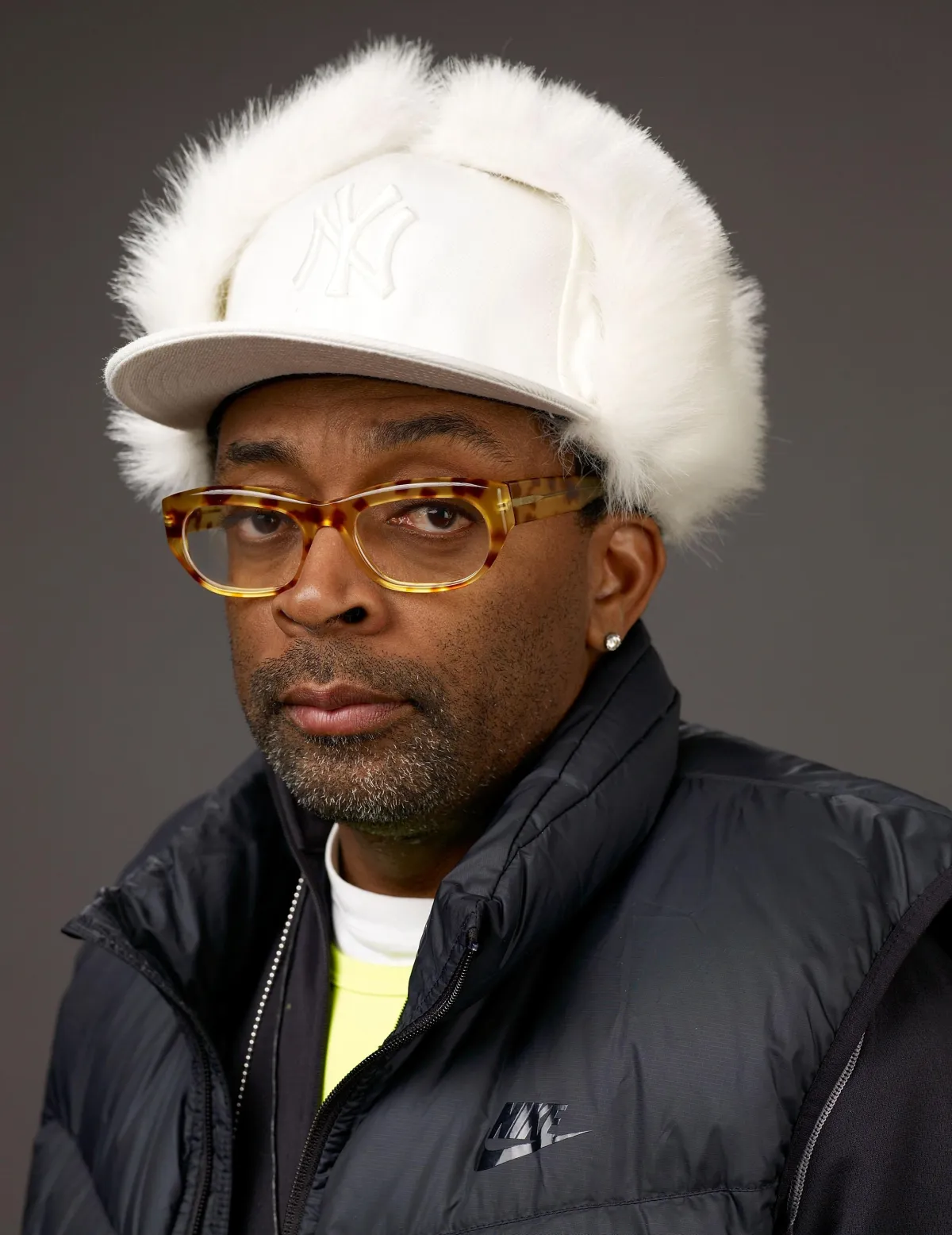 Photo: Spike Lee, via wallpapercave.com
"They told me I was too angry, too political," Lee recalls. "They wanted me to make films about Black people that would make white people comfortable. That wasn't the kind of filmmaker I wanted to be."
The Revolution
Lee's response was to create his own path. He founded 40 Acres and a Mule Filmworks, financing his early films through unconventional means. "She's Gotta Have It" was made for $175,000 raised through credit cards and personal loans. When it earned $7 million at the box office, Hollywood took notice.
Lee's success proved there was an audience for uncompromising Black cinema. His films addressed race, politics, and social issues with a directness that made many uncomfortable—and that's exactly what made them powerful. He created space for filmmakers like Jordan Peele, Ryan Coogler, and Ava DuVernay to tell their stories without compromise.
Anna Wintour: The Ice Queen Who Melted Fashion's Rules
The Rejection
When Anna Wintour first tried to break into American fashion journalism in the 1970s, editors found her too cold, too demanding, too focused on commercial appeal rather than high fashion artistry. Her first job at Harper's Bazaar lasted only nine months before she was fired for being "too edgy."
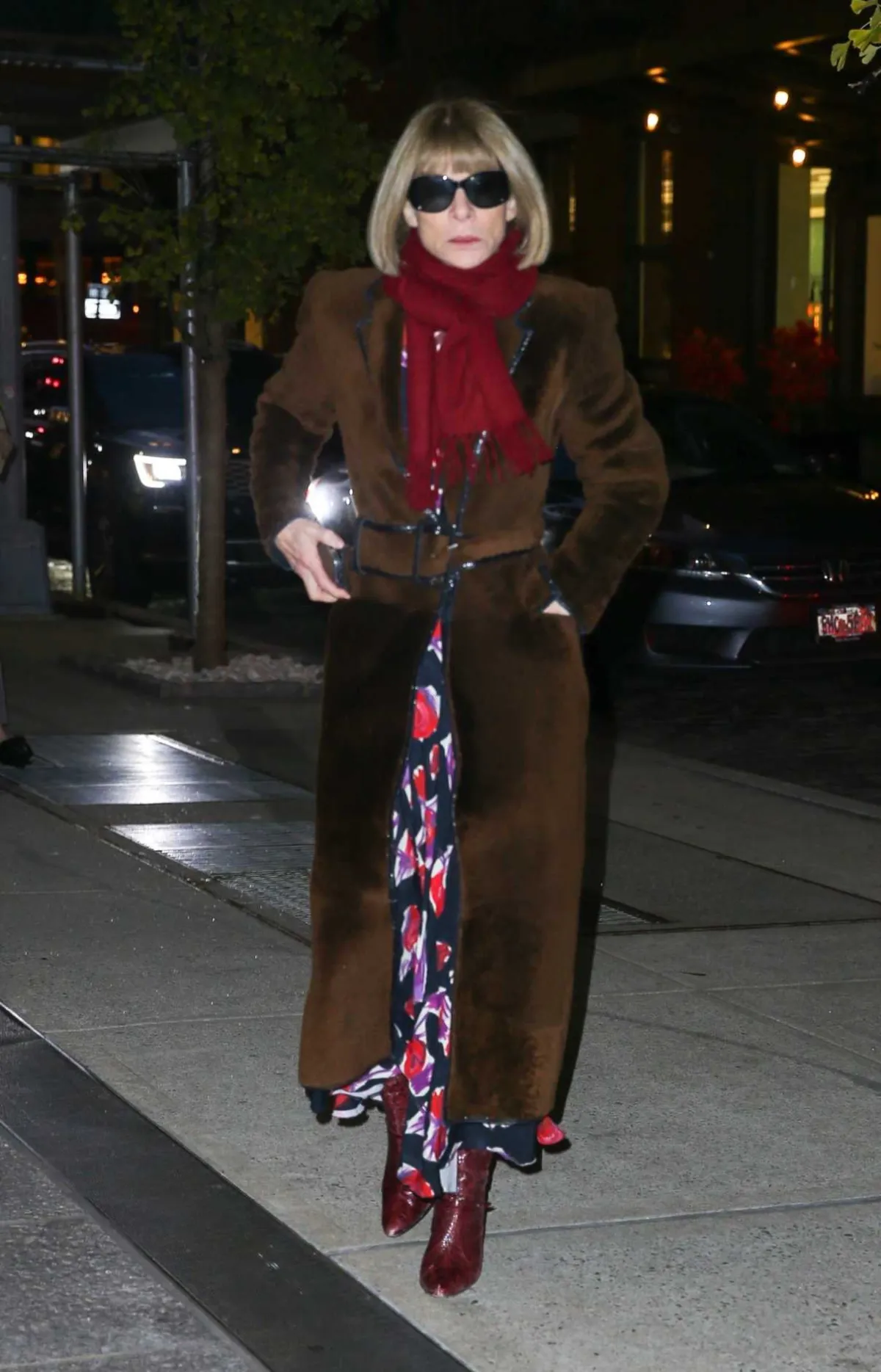 Photo: Anna Wintour, via lacelebs.co
"Anna didn't fit the nurturing, collaborative style that fashion magazines preferred," remembers a former colleague. "She was direct, uncompromising, and had very specific ideas about what fashion should be."
The Revolution
Wintour's editorial vision transformed Vogue when she became editor-in-chief in 1988. She mixed high fashion with popular culture, put celebrities on covers instead of just models, and made fashion accessible to a broader audience. Her supposedly "commercial" instincts actually elevated fashion's cultural influence.
Under Wintour's leadership, Vogue became more than a fashion magazine—it became a cultural institution that could make or break careers, influence political discourse, and shape how Americans thought about style, beauty, and aspiration.
Howard Stern: Too Crude for Radio's Standards
The Rejection
Throughout the 1970s and early 1980s, Howard Stern was repeatedly fired from radio stations for being too controversial, too sexual, too willing to push boundaries. Program directors told him he needed to tone down his act, be more mainstream, follow established radio formats.
"They wanted me to be a generic DJ playing the hits and reading the weather," Stern explains. "But that wasn't who I was. I wanted to have real conversations, talk about things that mattered to people, even if those things made some people uncomfortable."
The Revolution
Stern's refusal to conform eventually made him the most successful radio personality in American history. His show pioneered the "shock jock" format, but more importantly, it created space for authentic, unfiltered conversation on the airwaves.
Stern's success proved there was a massive audience for radio that treated listeners like adults, that discussed sex, relationships, and controversial topics openly. His influence can be seen in everything from podcasting to late-night television to social media culture.
Shonda Rhimes: Wrong Color for Must-See TV
The Rejection
When Shonda Rhimes first pitched television shows in the 1990s, network executives consistently told her that shows with predominantly Black casts wouldn't attract mainstream audiences. They suggested she write "universal" stories—industry code for stories centered on white characters.
"I was told that audiences wouldn't relate to my characters, that my storylines were too specific to the Black experience," Rhimes remembers. "The assumption was that white viewers wouldn't watch shows about people who didn't look like them."
The Revolution
Rhimes's breakthrough came with "Grey's Anatomy," which featured a diverse cast in a mainstream medical drama. The show's success proved that audiences were hungry for diversity, that compelling storytelling could transcend racial boundaries.
Rhimes went on to create "Scandal," starring Kerry Washington as the first Black female lead in a network drama in nearly 40 years. Her production company, Shondaland, has consistently created hit shows that center diverse characters and stories, fundamentally changing television's landscape.
Dave Chappelle: Too Real for Comedy's Comfort
The Rejection
Early in his career, Dave Chappelle was told by comedy club owners and television executives that his material was too racial, too political, too uncomfortable for mainstream audiences. They wanted him to do "safer" comedy that wouldn't challenge white audiences or make them feel uncomfortable about race.
"They wanted me to be the funny Black guy who made jokes about harmless stuff," Chappelle recalls. "But I couldn't ignore what I saw in the world. Comedy should make people think, not just laugh."
The Revolution
Chappelle's "Chappelle's Show" became one of Comedy Central's most successful programs by doing exactly what industry executives had warned against—confronting racial issues head-on through comedy. His sketches sparked conversations about race, identity, and American culture that extended far beyond entertainment.
Even when Chappelle walked away from a $50 million contract, his influence continued to shape comedy. He proved that audiences were ready for challenging, thought-provoking humor that didn't shy away from difficult topics.
The Pattern of Progress
These six stories reveal a consistent pattern: the gatekeepers' instincts about what audiences want are often wrong. The qualities that made these individuals "unsuitable"—Streisand's unconventional beauty, Lee's political anger, Wintour's commercial instincts, Stern's boundary-pushing, Rhimes's diverse perspective, Chappelle's racial honesty—turned out to be exactly what their industries needed.
Their success suggests that innovation often comes from the margins, from people who don't fit the established mold. The next time someone is told they have the "wrong look" for success, it might be worth asking: wrong for whom, and according to what outdated playbook?
Sometimes the face of the future is exactly the face that doesn't fit today's narrow definitions of success.