Canvas Behind Bars: The Federal Inmate Who Painted His Way to the Smithsonian
The Unlikely Studio
The art supplies arrived at the federal penitentiary in Montgomery, Alabama, on a Tuesday morning in 1967. A box of brushes, tubes of acrylic paint, and stretched canvases—donated by a local church group that believed in rehabilitation through creativity. Most inmates walked past the makeshift art corner in the prison library without a second glance.
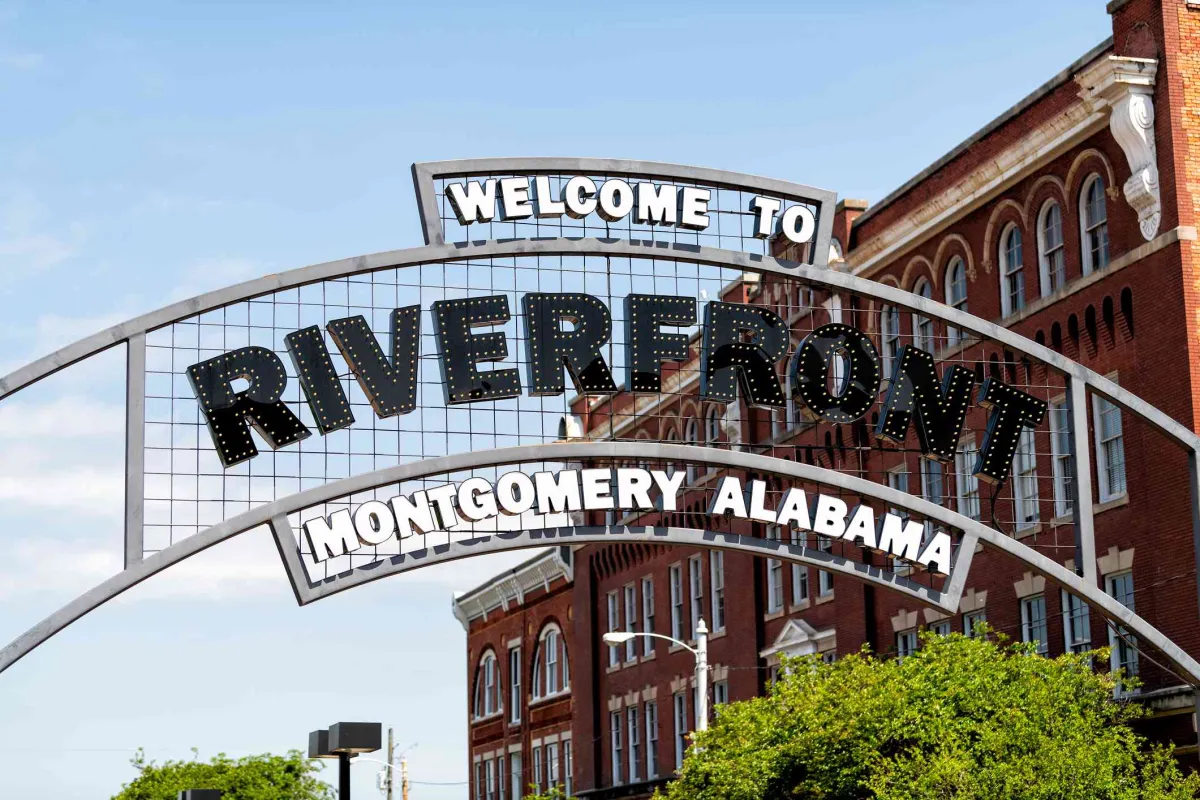 Photo: Montgomery, Alabama, via www.tripsavvy.com
Jimmy Lee Sudduth wasn't most inmates.
At thirty-four, Sudduth was serving his second stint for armed robbery, looking at another fifteen years behind bars. He'd dropped out of school in the third grade to work the cotton fields of rural Alabama. Art wasn't something that existed in his world—until the day boredom and curiosity led him to pick up a brush.
What happened next would eventually land his work in the Smithsonian Institution and rewrite how America thought about creativity, rehabilitation, and the human capacity for transformation.
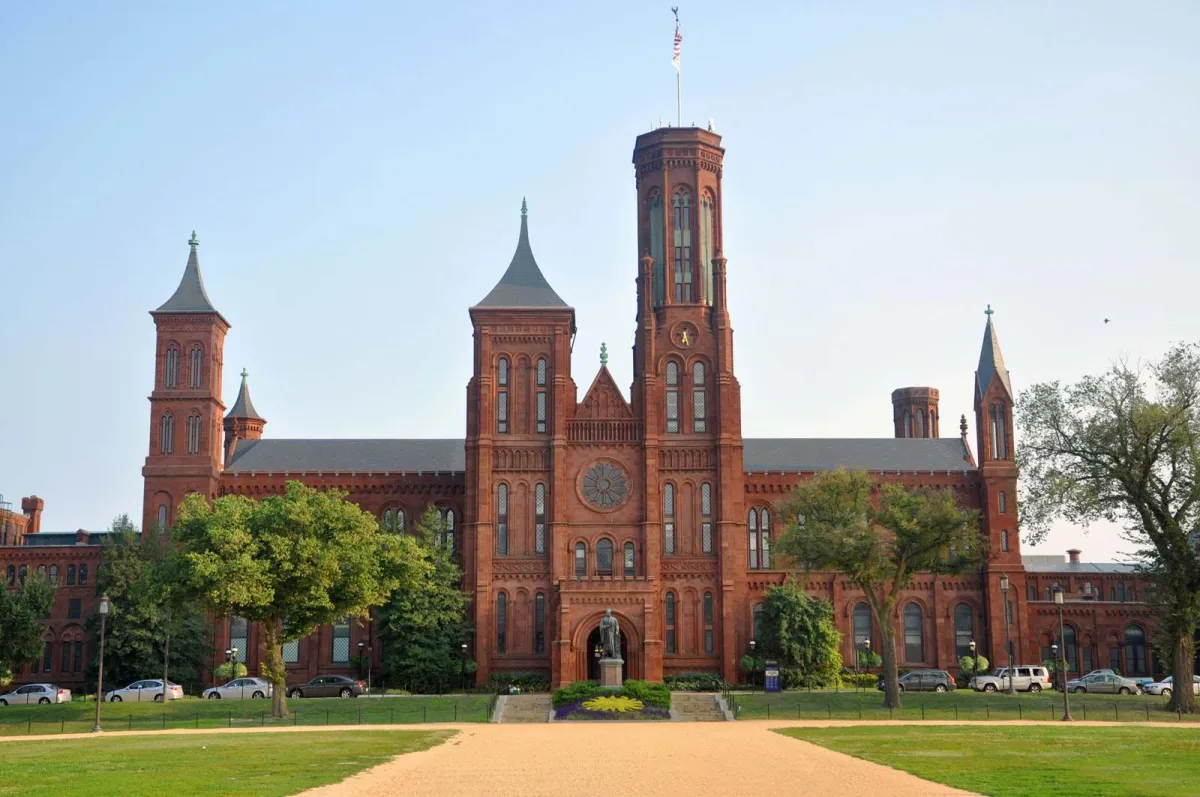 Photo: Smithsonian Institution, via cdn.britannica.com
Finding Color in Gray Walls
Sudduth's first painting was crude—a memory of his grandmother's house rendered in bold, childlike strokes. But something in the way he captured the essence of that weathered porch, the feeling of home distilled into color and form, caught the attention of the prison's education director.
"Jimmy painted like he was trying to hold onto something," recalled Dr. Margaret Foster, who ran the prison's educational programs. "Every canvas was a piece of his life he was afraid of losing."
Within months, Sudduth was spending every free hour in that corner of the library. He painted memories of Alabama backroads, portraits of fellow inmates, scenes from a childhood that poverty had cut short. His style was raw, untrained, but possessed an emotional honesty that formal art education rarely achieves.
The paintings began attracting visitors. Social workers, chaplains, even some of the guards would stop by to see what Sudduth was working on. Word spread beyond the prison walls.
The Discovery
In 1973, Dr. Robert Bishop, director of folk art at the Museum of American Folk Art in New York, received an unusual letter. A prison chaplain had enclosed photographs of paintings created by an inmate—work so compelling that Bishop immediately arranged a visit to Montgomery.
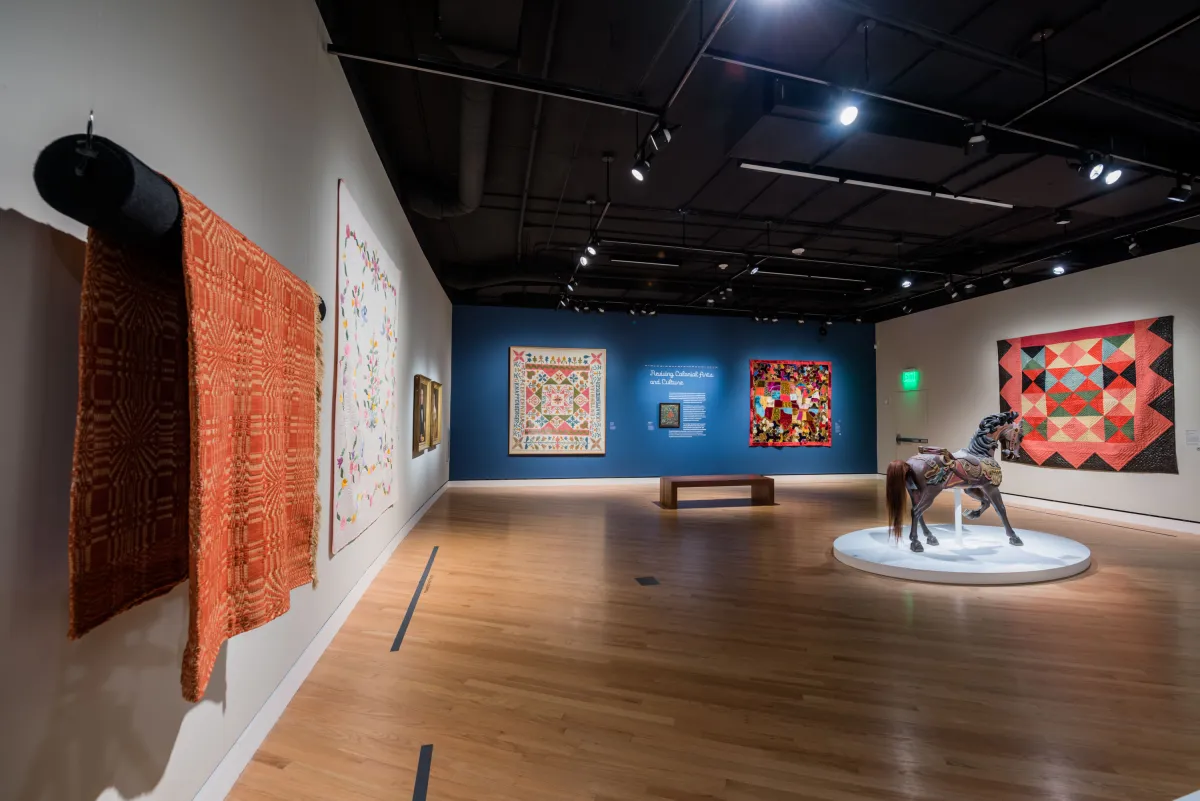 Photo: Museum of American Folk Art, via folkartmuseum.org
"I expected to find someone who'd studied art, maybe had formal training," Bishop later wrote. "Instead, I found Jimmy Lee Sudduth, a man who'd never set foot in a museum, who was painting with the kind of authentic vision that art schools try desperately to teach."
Bishop purchased three paintings on the spot. Within a year, Sudduth's work was featured in a group exhibition at the Museum of American Folk Art. Art critics who'd never heard of the federal penitentiary in Montgomery were writing about the "remarkable primitive vision" emerging from behind bars.
Recognition and Transformation
By 1975, Sudduth's paintings were selling in galleries from New York to Los Angeles. The irony wasn't lost on him—locked away from society, he was creating art that spoke to thousands of people he'd never meet.
"Prison gave me time to look inside myself," Sudduth reflected years later. "All my life, I was running—from poverty, from responsibility, from myself. In that cell, there was nowhere left to run. So I started painting what I found."
The attention brought unexpected opportunities. Art therapy programs began incorporating Sudduth's story. Prison reform advocates pointed to his transformation as evidence that rehabilitation was possible. Universities invited him to speak about creativity and redemption—invitations he couldn't accept from behind bars, but that awaited his eventual release.
Freedom and Legacy
When Sudduth walked out of federal prison in 1982, he was no longer the same man who'd walked in eighteen years earlier. He was a recognized artist with gallery representation, a waiting list of collectors, and a story that had inspired prison reform efforts across the country.
He settled in a small Alabama town, converting a shed behind his house into a studio. The transition to freedom wasn't easy—success hadn't erased the challenges of reintegration. But his art provided both purpose and income, a bridge between his past and his future.
In 1989, the Smithsonian Institution acquired five of Sudduth's paintings for its permanent collection. The same institution that housed the treasures of American culture now displayed the work of a man society had written off as irredeemable.
The Ripple Effect
Sudduth's story became a catalyst for change within the federal prison system. Art therapy programs expanded. Creative writing workshops multiplied. The idea that inmates could be more than their worst moments—that they could create, contribute, transform—gained credibility among policymakers who'd previously seen only punishment as the path forward.
"Jimmy proved that greatness doesn't ask for permission," said Dr. Foster, who remained in touch with Sudduth until her death in 2003. "It finds a way, even through steel bars and concrete walls."
Today, Sudduth's paintings hang in museums across the country. His work sells for thousands of dollars. But perhaps his greatest achievement isn't artistic recognition—it's the proof that transformation is possible, that creativity can flourish in the most unlikely places, and that sometimes the most profound art comes from the most broken circumstances.
In a nation still grappling with mass incarceration and recidivism, Jimmy Lee Sudduth's story offers something increasingly rare: hope. Not false hope built on platitudes, but earned hope, painted one brushstroke at a time in a federal prison in Alabama, by a man who discovered that even behind bars, the human spirit refuses to be contained.