When Losing the White House Became Winning at Life
The Longest Walk Home
On January 20, 1981, Jimmy Carter boarded a government plane for the last time as president. The ride back to Plains, Georgia, must have felt like the longest journey of his life. At 56, he was heading home to a peanut farm and a town of 600 people, carrying the weight of a presidency that historians were already calling a failure.
The Iran hostage crisis had dragged on for 444 days. Double-digit inflation had crippled the economy. His approval ratings had plummeted to 28 percent. Ronald Reagan hadn't just beaten him — he'd crushed him, winning 44 states in a landslide that felt like a national rejection of everything Carter represented.
Most ex-presidents might have retreated into comfortable obscurity, writing memoirs and collecting speaking fees. Carter had other plans.
Building More Than Houses
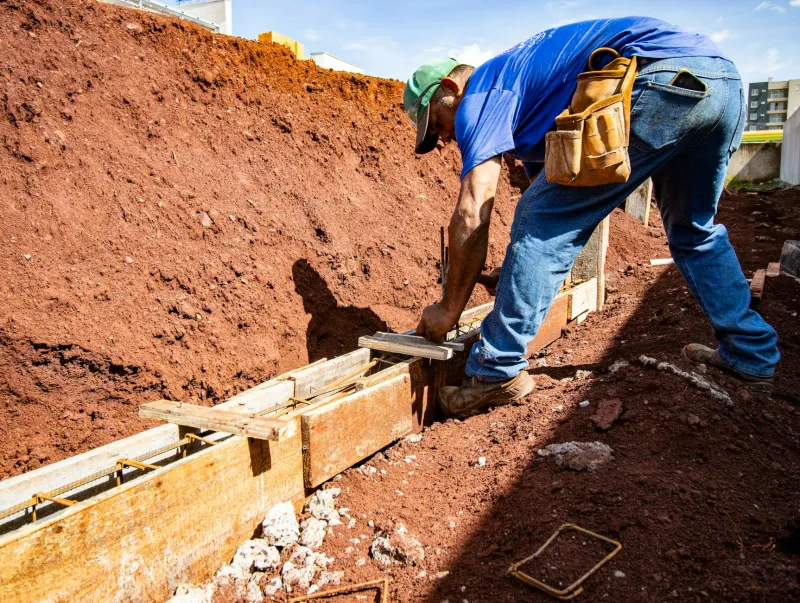
Within months of leaving office, Carter was swinging hammers with Habitat for Humanity, an organization most Americans had never heard of. The sight of a former president in work boots and a tool belt, building homes for low-income families, seemed almost surreal. Here was a man who had commanded nuclear submarines and sat across from world leaders, now measuring two-by-fours and installing drywall.
But Carter wasn't just showing up for photo ops. He threw himself into the work with the same intensity he'd once brought to nuclear physics at the Naval Academy. He studied construction techniques, learned new skills, and worked alongside volunteers who couldn't quite believe they were handing nails to a former commander-in-chief.
The Habitat work became a annual tradition that would span decades. Even into his 90s, Carter would show up at job sites, sometimes working despite injuries and health scares that would sideline men half his age. The image of Carter building houses became iconic, but it was just the beginning of something much larger.
The Peacemaker Nobody Asked For
While other former presidents played golf, Carter was boarding planes to some of the world's most dangerous places. He didn't wait for official invitations or State Department approval. If there was a conflict to mediate or an election to monitor, Carter simply went.
In 1994, he flew to North Korea to negotiate with Kim Il-sung, helping to prevent what many believed was an inevitable war. He monitored elections in countries where democracy was fragile and contested. He mediated disputes in Haiti, Bosnia, and Sudan — places where his presence carried the moral weight of the presidency without the political baggage.
Carter's approach was unconventional. He would meet with dictators and dissidents alike, often ignoring protocol that other diplomats considered sacred. Critics called him naive, but results spoke louder than criticism. Conflicts that seemed intractable would somehow find resolution after Carter's quiet interventions.
Fighting Diseases the World Forgot
Perhaps Carter's most remarkable post-presidential achievement was his war against Guinea worm disease. In 1986, this parasitic infection affected 3.5 million people, mostly in remote African villages. The disease was ancient, painful, and completely preventable — but it affected people too poor and too isolated for the world to notice.
Carter noticed.
Working through the Carter Center, he launched a campaign that combined public health expertise with the same meticulous attention to detail he'd once applied to nuclear reactor designs. The approach was simple but revolutionary: instead of just treating the disease, eliminate it entirely.
Village by village, country by country, Carter's teams taught prevention methods, provided clean water sources, and tracked every single case. It was unglamorous work in forgotten places, but Carter approached it with the dedication of a man trying to eradicate evil itself.
By 2023, fewer than a dozen cases remained worldwide. Carter had overseen the near-complete elimination of a disease that had tormented humanity for millennia. It was a victory that no president could claim from the Oval Office.
The Unexpected Legacy
In 2002, Carter received the Nobel Peace Prize, not for anything he'd done as president, but for the decades of humanitarian work that followed. The committee specifically cited his efforts to find peaceful solutions to international conflicts, advance democracy and human rights, and promote economic and social development.
The irony was unmistakable. The presidency that had been judged a failure had led to a post-presidency that redefined what it meant to serve. Carter had discovered something that eluded most politicians: true power had nothing to do with holding office.
The Long Game of Greatness
Today, Carter's presidential legacy looks different in the rearview mirror. His emphasis on human rights, his prescient warnings about energy dependence, and his moral leadership seem less naive and more prophetic. But even if history never rehabilitates his presidency, it doesn't matter.
Carter proved that your worst professional failure can become the foundation for your greatest personal success. He showed that influence doesn't require authority, that impact doesn't require position, and that sometimes the most important work of your life begins only after the world has written you off.
At 99, Carter is still teaching us about the long game of greatness. In a culture obsessed with quick wins and immediate gratification, he spent four decades quietly demonstrating that the most meaningful victories are often the ones nobody sees coming.
Sometimes losing everything is exactly what you need to find out what really matters.