Broken Lips, Unbroken Spirit: The Second Life of Chet Baker
Broken Lips, Unbroken Spirit: The Second Life of Chet Baker
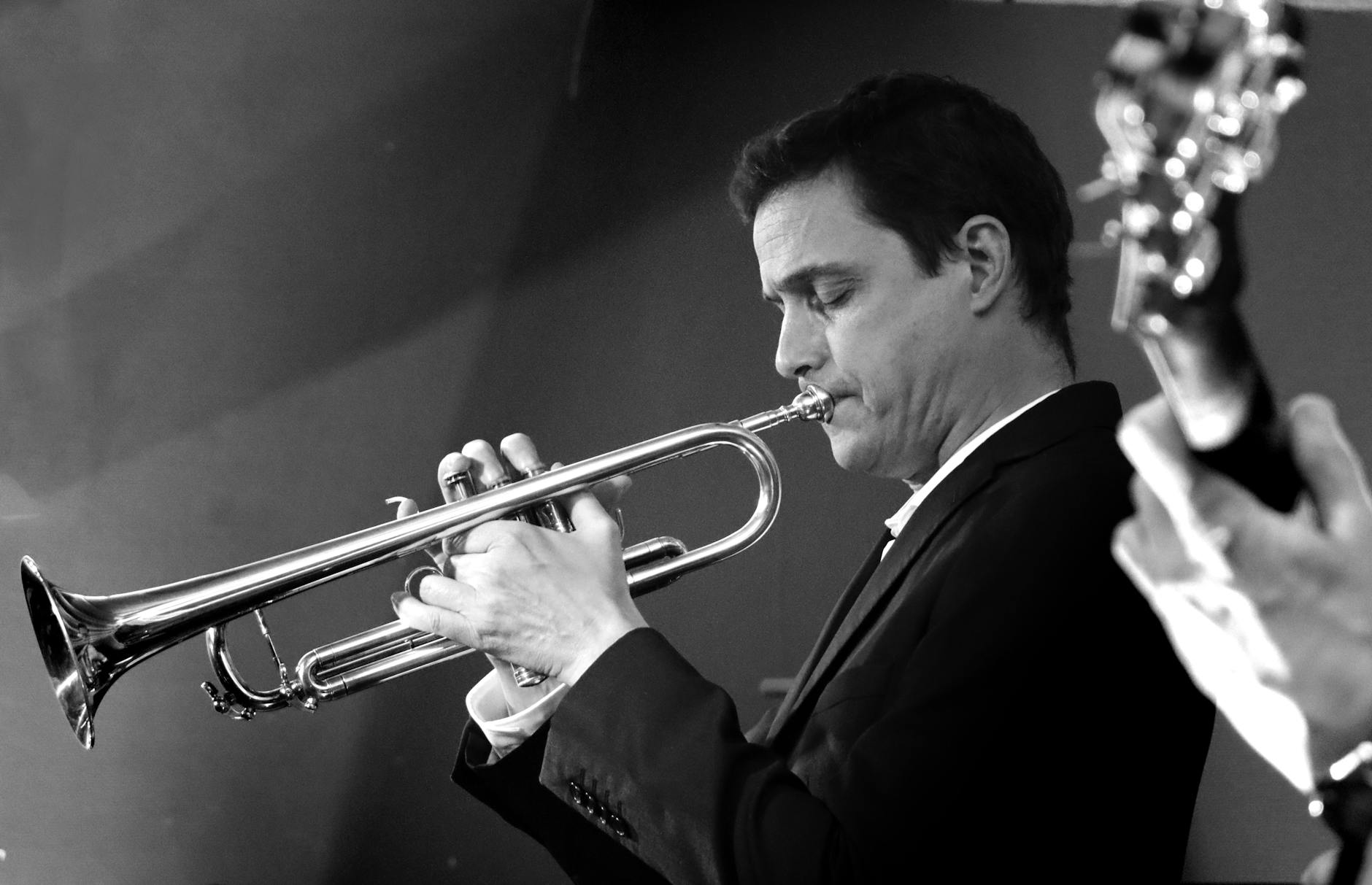
There's a photograph of Chet Baker from the mid-1950s that stopped people cold. Cheekbones like something out of a Hollywood casting call, trumpet raised, eyes half-closed — the look of a man who'd been born to make music and knew it. By the time that photo was taken, Baker was already a sensation. He'd recorded with Charlie Parker, won Down Beat magazine's Best New Trumpeter poll, and released a vocal album so unexpectedly tender that it crossed over into pop territory. Chet Baker was, by any measure, one of the most naturally gifted musicians America had ever produced.
Then came the drugs. Then came the fall. And then, in a San Francisco parking lot in 1968, came the moment that everyone assumed would be the last chapter of his story.
The Night They Said It Was Over
The details of what happened that night have been disputed over the years, but the outcome was not. Baker — deep in addiction, owing money to the wrong people — was beaten so badly that several of his teeth were knocked out or shattered. For a trumpet player, this isn't a cosmetic problem. It's a professional death sentence. The embouchure, the precise configuration of lips and facial muscles against the mouthpiece, is everything. It takes years to develop. Dentists told him plainly: the physical structure needed to play at that level was gone.
The music world moved on. Jazz had moved on anyway — free jazz, fusion, the cultural upheaval of the late '60s had reshuffled the deck. Baker was yesterday's news before the assault. Afterward, he was simply a cautionary tale.
Except Baker didn't read it that way.
Learning to Walk Again — One Note at a Time
What followed wasn't a triumphant montage. It was years of grinding, humbling, largely invisible work. Baker had dentures fitted, then refitted, then refitted again — each set slightly different, each requiring his mouth and muscles to recalibrate from scratch. He practiced for hours in cheap motel rooms across Europe, where he'd relocated partly to escape his reputation and partly because the European jazz scene was more forgiving of a man trying to find himself again.
He played small clubs in Italy and Germany. He scraped by. There were relapses — his addiction was never fully conquered, and it would ultimately contribute to his death in Amsterdam in 1988. But here's what's remarkable: during those years of reconstruction, something happened to his playing that nobody predicted.
It got better.
Not better in a technical, note-perfect sense. Better in the way that only suffering can make art better. The bright, almost effortless cool of his early recordings had been replaced by something more searching, more fragile, more honest. His trumpet lines in the 1970s and '80s have a quality that musicians and critics still struggle to name — a kind of earned melancholy, a beauty that sounds like it cost something to produce. Because it had.
The Europe That Caught Him
While American audiences were slow to reinvest in Baker's story, Europe never really let go. He became a fixture on the festival circuit — Montreux, North Sea Jazz, intimate venues in Paris and Copenhagen where audiences listened with the kind of reverent attention that American jazz clubs rarely offered. Producers who worked with him during this period describe a man who was often chaotic offstage but who, the moment he raised that horn, became utterly present.
Recordings from this era — She Was Too Good to Me (1974), You Can't Go Home Again (1977), his late collaborations with pianist Paul Bley — capture an artist who had stripped away every note that wasn't necessary. The showmanship was gone. What remained was just the truth of the music.
Ruth Young, his partner during much of this period, once described watching him practice in their apartment: methodical, patient, sometimes frustrated, but never defeated. "He wasn't trying to get back to where he was," she said. "He was trying to find out where he could go."
What the Wreckage Taught Him
There's a version of the Chet Baker story that frames the 1968 assault as the tragedy that derailed a brilliant career. But spend time with his later recordings — really spend time with them — and that framing starts to feel incomplete.
The early Baker was prodigious. The later Baker was wise. And wisdom, in music as in life, tends to require a price of admission that comfort and early success rarely charge.
His 1987 recording Chet Baker Sings Again, made just a year before his death, is almost unbearably beautiful. His voice had aged, his range had narrowed, and the vulnerability in every phrase is unmistakable. It sounds like a man who has lost a great deal and chosen, stubbornly, to make something luminous out of what's left.
Chet Baker died in May 1988, falling from a hotel window in Amsterdam under circumstances that were never fully explained. He was 58. He'd spent the last two decades of his life doing something most people in his position never attempt: starting over, not just once, but continuously — rebuilding his sound, his technique, and his artistic identity from the ground up.
The music he made during those years didn't just survive the catastrophe. In a very real sense, it required it.
Sometimes the thing that breaks you open is the same thing that makes you whole.